
| Nr | Name | Beschreibung |
|---|---|---|
 |
Neliela apdzīvota vieta, kuras apkārtnē jau izsenis iegūta kūdra un ārstniecības dūņas, kas izmantotas Ķemeru kūrortā. Kūdrā atrodas padomju laikā celtā dzelzsbetona rūpnīca, kura nodrošināja ar būvniecības materiāliem tagadējo Kauguru mikrorajonu.
|
|
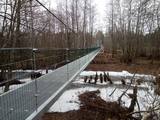 |
The bridge across the Irbe river so that bicyclists and pedestrians can cross the bridge where the former tram tracks were located. |
|
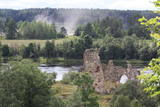 |
Found on the right bank of the Daugava where the little Karikste river flows into the Daugava, all that remains of the castle today is a set of ruined walls and foundations. The castle was built by the Livonian Order in 1224, and it was inhabited until the mid-17th century, when it was sacked during the Polish-Swedish war. The ruins offer a good view of the local gravel road that goes along the right bank of the river valley.
|
|
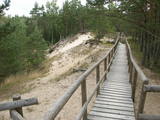 |
Abwechslungsreicher Pfad, der über einen Holzsteg entlang des Steilufers der Pilsupe bis zur Weißen Düne führt, die sich in der Zeit des Litorina Meeres vor einigen tausend Jahren gebildet hat. In der Umgebung wurden Überreste steinzeitlicher Siedlungen gefunden.
|
|
 |
Established: 1959
60 coniferous and 350 deciduous trees
Brief description: Between the Tukums-Kolka road, the Lāčupīte stream and the sea, Igors Mednis has planted a series of foreign trees and shrubs. He has conducted experiments to see how different foreign plants adapt to different conditions. The best time to visit is in May and June, when the rhododendrons are in bloom.
|
|
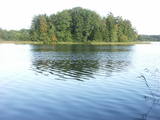 |
Dieses Terrotorium schützt den See Jumurda, der sich im zentralen Teil des Vidzemer Hochlandes befindet, mit seinen drei Inseln, dem lokalen Laubwald und den umgebenden Landschaften.
|
|
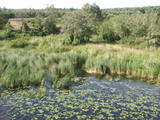 |
Dieses Gebiet wird regelmäßig überflutet, wenn der Fluß Lielupe über seine Ufer tritt. Diese Auenwiesen sind wichtig für Vögel. Das Gebiet kann von der Straße Rīga-Liepāja und von der Straße nach Kalnciems aus, die daran entlang führen, betrachtet werden.
|
|
 7 Tagen
|
Diese Tour führt zu den beliebten Badeorten in Litauen und Lettland, von Nida an der Kurischen Nehrung bis Jūrmala an der Riager Meeresbucht. Die erste Etappe der Route führt durch die Kurische Nehrung bis hin zu Klaipėda mit ihrem Wahrzeichen – dem hölzernen Segelschiff. In der Altstadt von Klaipėda finden Sie viele Gebäude, die der deutschen Architektur charakteristisch sind. Danach besuchen Sie die litauische Sommerstrandhauptstadt Palanga mit ihrem Botanischen Garten, dem Bernsteinmuseum, der Fußgängerzone auf der J. Basanavičius Straße, sowie der Seebrücke (Pier). Anschließend führt Sie die Route zum ehemaligen Fischerdorf von Šventoji, heute ein Ferienort, in dessen Nähe sich das Žemaičių alkas befindet – die eidnische Kultstätte in der Region von Žemaitija. Nach dem Überqueren der Grenze zwischen Litauen und Lettland erreichen Sie Liepāja – oder wie man sie genannt wird – die Stadt, wo der Wind geboren ist. Wenn Sie sich für das militärische Erbe interessieren, werden Sie es im ehemaligen Militärhafen von Karosta finden. Die Tour führt weiter nach Ventspils, einer Stadt an der Ostseeküste. Hier können Sie mit einem kleinen Schiff auf dem Fluss Venta ins Meer fahren, am Flussufer entlang spazieren, mit dem Schmalspurzug „Mazbānītis“ fahren, das Stadtgrün in Form von Blumenuhren bewundern, sowie Selfies mit den berühmten Kühen (Skulpturen) in den Straßen von Ventspils aufnehmen. Am Ende der Tour fahren Sie nach Jūrmala und wandern auf den baltischen Küstenwanderweg dem Sandstrand entlang. |
|
 |
Eine von Nadelbaumwäldern bedeckte Halbinsel. Malerisches Käsmu Steinfeld, Matsikivi Stein, Vana Jüri Stein u.a. Bei passenden Bedingungen kann man sich auf einer steinernen Landzunge bis zur 0,5 km entfernt liegenden Insel Saartneem schleppen. |
|
 |
Familienrestaurant 12 km von Talsi entfernt, wo Sie traditionelle lettische Küche probieren können. |
|
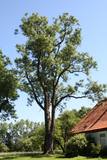 |
A very beautiful and expressive tree, it is found on the land of what was once the Vīceži Semi-estate.
|
|
|
|
After the death of the Kalnasikšņi oak tree, which was the mightiest tree in the Gauja National Park, the mighty Kvēpene oak tree has taken over that role. It has a circumference of 6.1 m, a height of 20 m, and a crown which measures 28 x 30 m. The beautiful tree is on the right bank of the Gauja River valley and is one of the most excellent trees in Latvia. Near it is the forested Kvēpene castle hill, as is the Svētavots stream, which is reputed to have medicinal waters. To the North of the castle hill is the Rūsiņš hillock, which offers a good view of the surrounding forests, the towers of the city of Cēsis, Ieriķi, and the Rakšupe estuary at the Gauja. There is a bench at the top of the hillock from which lovely sunsets can be seen. |
|
 2 Tagen
|
Here you will learn about home-based manufacturers, farms, companies and others in southern Vidzeme that produce various dairy products such as milk, yogurt, cottage cheese, cheese, ice cream, etc. From Rīga, take the Vidzeme Highway and turn toward Mālpils. On the way to Ērgļi and Jumurda, you’ll be delighted by the hillocks of the Vidzeme highlands and the lovely landscape that they represent. Near Ērgļi you will find Braki, the home of the classical Latvian author Rūdolfs Blaumanis, Meņģeļi, home of the Jurjāns brothers, and the Jumurda Estate. Drive on through Cesvaine, stopping to look at its impressive castle, and on to Madona, where you can have a delicious meal. From Madona, follow the lovely banks of the Daugava River to Koknese (Destiny Island, the Koknese castle, park and church), and on to Skrīveri, where the author Andrejs Upītis was born. There’s a homemade ice cream place and the factory that produces the universally known penuche candy that is sold under the “Gotiņa” brand name in Latvia. Then drive to Ogre for some Sierštelle cheeses and then back to Rīga. |
|
 | ||
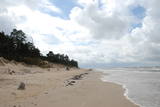 |
Бернати - самая западная точка суши Латвии. Рядом с автостоянкой установлен каменный знак скульптора Вилниса Титанса «Зеленый луч» (1998 г.). Бернатский мыс подвержен воздействию ветра и волн, поэтому здесь наблюдается вымывание морского берега. У дороги, которая из центра поселка Бернати ведет к морю, в конце дюн (имеется указатель), установлен памятный камень со словами первого Президента Латвии Яниса Чаксте, сказанными в 1924 году: «Здесь должен быть курорт». |
|
 |
Das Café Ugandi ist ein gemütlicher Ort ganz im Herzen von Otepää. Dort herrschen eine warme Atmosphäre und wohltuende Stimmungen, und die Geschmäcke sind rein und angenehm . Wenn sie ankommen, werden Sie sofort guten Kaffee und süße Brötchen riechen. Das große Schaufenster ist voll von Kuchen - man kann sie sowohl vor Ort genießen als auch zum Mitnehmen kaufen. |
|
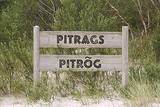 |
Zum ersten Mal wurde das Dorf im Jahr 1582 urkundlich erwähnt. Auf den Sandbänken in der Nähe von Pitrags liegen viele versunkene Schiffe. Im Jahr 1826 wurden in Pitrags elf Bauernhöfe und 190 Einwohner registriert. Um die Mitte des 19. Jh. wurde hier ein Wirtshaus eröffnet. 1937 gab es im Dorf 12 alte Bauernhöfe und 38 Fischerhöfe (vor allem neue Bauernhöfe). Im Dorf gab es mehrere Fischverarbeitungsstellen. In Pitrags lebte die hervorragende Erzählerin der livischen Sprache Marija Šaltjāre (Bertholde, 1860–1930), die mehr als 200 Märchen und Sagen, mehr als 90 Lieder, Spiele, etc. veröffentlicht hat. Das Baptisten-Gebetshaus von Pitrags wurde 1902 erbaut. Während des Ersten Weltkriegs brannte es aus, wurde 1925 wiederhergestellt und Ende des 20. Jh. renoviert. Im Zentrum von Pitrags im Bauernhof Krogi sind 27 Muster der Zäune von der Livischen Küste ausgestellt und hier werden auch Fischräucherei und Verkostung angeboten. |
|
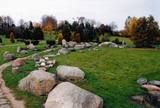 |
The terrain in this territory was created during the Ice Age. There are the ancient river valleys of the Minija, Salantas and Erla rivers, along with groups of rocks.
|
|
 6 Tagen
|
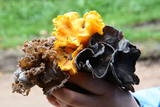
This is for people who enjoy forests, wildlife, local traditions and has a specific interest in the different species of funghi. Everyone could try their hand at mushrooming, identification and by the end of the day together with guide sort out the collected mushrooms. The tour passes several national parks and late back villages. The group will also visit to one of shitake mushroom growers for comparison reasons. |
|
|
|
Eine der schönsten Landkirchen Estlands, wurde ursprünglich als Zufluchtsort verwendet. Wurde im Stil der Frühgotik gebaut. Die Wandmalerei aus dem Jahr 1330. |
|


