
| Nr | Name | Beschreibung |
|---|---|---|
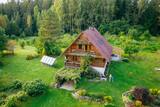 |
Holiday house "Spilves" is located in Krustpils region, it is a unique place in Varieši parish surrounded by pine forest, where you can spend your holidays with family or friends! The holiday house has 2 rooms, well-equipped kitchen, terrace. There is a black "smoke" sauna in the area, Ayurvedic massages are offered. A place where everyone has the opportunity to enjoy the untouched nature, the smell of the forest and flowers, the songs of birds, the buzzing of bees, silence and peace, to feel the touch of the wind! Enjoy a set of well-being in a cozy and modern holiday home, or prepare a meal on the live fire in a cast iron pot, feast on the grapes grown by host Andrejs, dine outside in "Estrāde", indulge in Ayurvedic massage procedures, sip herbal tea in a black sauna, cool off in the pond. Kūkas railway station is located 3.5 km from the house, Riga - Rēzekne highway is 3 km away and the nearest city - Jēkabpils is 20 km away. |
|
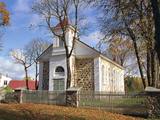 |
St. John the Baptist Roman Catholic Church of Nagļi was built
in 1862 by landlord Nābels. Some time ago, Nagļi Church was a branch of Viļāni Church. The Bernardian
monks served there. After the closing of the cloisters in 1930s, the church was served by priests.
|
|
 |
Atrodas 0,9 km no Jaunpiebalgas muižas pils, Jaunpiebalgas centra virzienā. Redzot šo ēku, nav jāpārliecina, ka tā ir viena no garākajām Vidzemē. Tik gara, ka grūti pat „iedabūt kadrā”. |
|
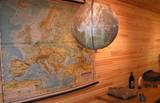 |
Das Museum wurde im Jahr 1982 gegründet und stellt die Geschichte und Leben der Ortschaft seit II. Hälfte des 19. Jahrhunderts bis zur Gegenwart vor. Als Ausstellungssaal dient eine ehemalige Scheune. In den Parks auf der 17 ha grossen Fläche des Museums wachsen rund 200 Baum- und Straucharten. Gäste können an verschiedenen Thementagen teilnehmen – Brotbacken, Festtage des Volkskalenders etc. Im Museum beginnt der natur- und kulturgeschichtliche Lernpfad Velise. |
|
 |
Der Turm befindet sich im Gutspark Kiiu. Wurde im ersten Viertel des 16. Jh. errichtet und diente als einen „Schutzraum” für Grundbesitzer. Geöffnet für Besucher und bietet den berühmten estnischen Likör „Kiiu torn” an. |
|
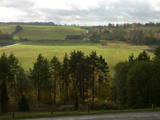 |
As you travel from Kandava to Sabile, you will find a parking lot on the right side of the road. From there, there are steps to a viewing area on the highest hill in the Abava Ancient River Valley – Greiļi Hill. This offers a wonderful view of the ancient river valley and the local mosaic of meadows and forests. The landscape is enriched by the Imula and Amula valleys that are on the other side of the ancient river valley.
|
|
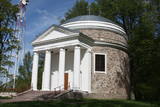 |
Im 15. Jh. kam das Landgut von Preiļi im Besitz der Familie des Grafen von Borch. Die Familie von Borch hat hier bis in die 1860er Jahre gewirtschaftet. Die Stadt hat sich in der ersten Hälfte des 19. Jhs. herausgebildet, indem das Landgut, das Dorf und das Freidorf – die Niederlassung der Handwerker und der Händler – von Preiļi zusammengeflossen sind. Im 19. Jh. wurde in Preiļi ein prächtiges Schloss gebaut und ein Landschaftspark eingerichtet. Heute ist die Stadt ein bedeutendes Zentrum für Wirtschaft (für Käseherstellung und Näharbeiten) der Region Latgale, das seine Traditionen der Folklore, der Handwerker und des Katholizismus pflegt. Besonders empfehlenswert ist eine Führung in der Leitung von Irēna Kjarkuža, die bei der Touristeninformation von Preiļi arbeitet. |
|
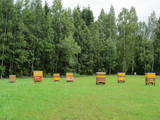 |
The farm produces large amounts of nectar plants, including mustard plants, clover, lacy phacelia and buckwheat. These are used for apiaries and seeds. You can take a tour and learn about the lives of bees. You can also taste and purchase honey made from willow, buckwheat, heather and other sources. The honeys have won a series of prizes. |
|
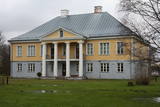 |
Muiža rakstos pirmoreiz minēta 17. gs. sākumā, taču klasicisma stilā celtās pils veidols tapis 1835. gadā. Penijē muižas būtisks likteņa pavērsiens (atšķirībā no daudzām citām muižām) bija apstāklis, ka tajā izveidoja Matsalu rezervāta (pirms nacionālā parka izveides) apmeklētāju centru. 2000. gadā muižas pili restaurēja un tajā ierīkoja nelielu ekspozīciju. Apmeklētāju centrs te pastāv joprojām, tādēļ šeit var iegūt nepieciešamo informāciju. No ārpuses var apskatīt arī citas muižas saimniecības ēkas. |
|
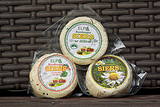 |
Der Betrieb ist mehr als 20 Jahre tätig und arbeitet mit ~ 100 örtlichen Herstellern zusammen. Der Unternehmensgrundsatz ist die Herstellung von natürlichen und gesunden Milchprodukten – Kefir, Quark, saurer Sahne, Sahne, Joghurt und weichem Käse. SIA „Elpa” ist der einzige Milchverarbeitungsbetrieb in Südkurland, der eine Betriebsbesichtigung und Verkostung der Erzeugnisse anbietet. Die Produktion kann man auch vor Ort kaufen. Im Laufe der Betriebsbesichtigung ist es möglich, Kefir, Käse, Joghurt zu verkosten, sowie Milchprodukte selber herzustellen. |
|
 |
A farm engaged in the cultivation and processing of large cranberries. Offers berries, cranberry juice, syrup. On Fridays at Dundaga market from From 7:00 to 11:00 it is also possible to buy products. |
|
 |
Der älteste Leuchtturm der Ostsee (der drittälteste der Welt), der noch tätig ist, und befindet sich am höchsten Punkt von West-Estland – in Tornimäe (68 m). Im Turm sind Expositionen und ein Cafe. |
|
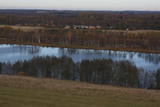 |
This is the most visually impressive drumlin field in the Baltic States, and it is close to the village of Tabivere. The drumlins were established by ice glaciers, and they point in the direction in which the ice moved long ago. In terms of their appearance, the drumlins resemble loaf-shaped hillocks. From their “backs,” there are lovely views of the local landscape and the lakes that are around the area. The visitor centre is in the village of Äksi.
|
|
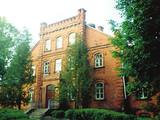 |
Rikavas Manor is the local architectural monument that belonged to Janovski family. Michael Riks
bought the building in the second half of the 18th century. The construction works of the manor house lasted
from 1870 till 1875. The redbrick building is an example of Neo Gothic style. Since 1926 there was established
a school. You should see the beautiful interior and wooden stairs as well as school’s workshop
|
|
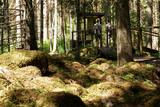 |
Im Wald von Kaltene ist ein sagenumwobenes Naturwunder – Kalvas von Kaltene bzw. von Valna zu besichtigen. Das Entstehen dieser Anhäufung im Wald, 2 – 3 km von der Küste entfernt ist mit den Küstenbildungen des Baltischen Eissees verbunden. Die größte Anhäufung ist Velna kalva (Teufels-Kalva). Seinerzeit war Velna kalva eine schöne Anhäufung, so große, dass “sich bis Gipfeln der Bäume streckte”. Auf den früheren Karten wurde die absolute Höhe dieser Anhäufung angegeben – 20 m. Diese Anhäufung bestand aus Steinen verschiedener Formen. Die Steine waren sowohl voll kugelförmig als auch in einer Tellerform. Diese Anhäufung wurde fast vollständig in den 1960er – 1970er Jahren vernichtet, da daraus die Schotter für Straßenbau gewonnen wurde. Heutzutage ist nur ein ziemlich kleines Fragment des Unterteils von Kalva erhalten geblieben. Die Länge dieses Fragments beträgt ca. 300 m, aber die Höhe – 2 m. Die Wissenschaftler äußern eine Meinung, dass diese Anhäufungen im Altertum Sakralorte sein könnten, da viele Sagen und Legenden sind darüber geblieben. Um die Anhäufung zu besichtigen, wurde einen Naturpfad mit den Informationsständen und einem nicht großen Parkplatz errichtet. (Die Quelle: Roja TIZ) |
|
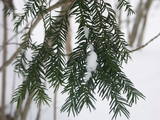 |
The forest covered area formed to protect tort protected plant species as yew-tree etc. Territory is not suitable for visitors as visitor without environmental knowledge will see “regular” forest.
|
|
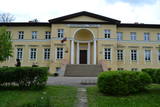 |
Tāšu – Padures muiža (Tasch – Paddern) celta 19. gs. sākumā kā Korfu dzimtas pils, kas 1852. gadā pāriet Keizerlingu dzimtas īpašumā kā medību pils, kas kalpojusi kā vasaras mītne, un ir izcils vēlīnā klasicisma paraugs. Iekštelpās saglabājušies vairāki senā interjera apdares fragmenti. Pēc pils pabeigšanas, ap to sāka veidot vairāk kā 10 ha lielu parku ar svešzemju kokiem. Šobrīd muižas ēkā atrodas Kalvenes pamatskola. |
|
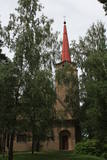 |
Die Kirche befindet sich im Westen von Viesīte – an der Seite der Kaļķu Straße, auf dem sogenannten Hügel Vales kalniņš (eine vom Gletscher gebildete Hügelreihe). Es ist interessant, dass an diesem Ort im Jahr 1919 die Verteidiger von Viesīte die Bermondt-Armee geschlagen haben. Der Grundstein der Kirche wurde am 15. August 1937 (am Gedenktag der Helden) gelegt, im Jahr 1939 wurde die Kirche eingeweiht, aber im Jahr 1994 – erneuert. Den Bau des Gotteshauses hat der Professor Pauls Stradiņš unterstützt. In dem Gotteshaus befindet sich das von Ligita Caune geschaffene Altargemälde. Östlich von der Kirche – am Fuße des Hügels Vales kalniņš – ist ein Denkmal aufgestellt, der dem Professoren Pauls Stradiņš gewidmet ist. |
|
 |
The fisherman offers you a chance to engage in string-based fishing at the seashore near Nida and Pape, fishing out in the sea (1-2 people), and ice fishing during the winter. You can smoke what you catch or cook fish soup with it. |
|
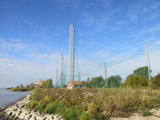 |
Eine Vogelberingungsstation und ein Vogelbeobachtungsplatz. |
|


