
| Nr | Name | Beschreibung |
|---|---|---|
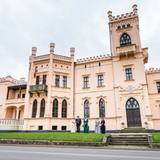 |
Das Schloss wurde von 1859 bis 1863 auf Veranlassung des Barons Alexander von Vietinghoff im Stil der späten Tudor-Neogotik (eins der bedeutendsten Denkmäler solchen Stils in Lettland) mit einem reichen Kalk-Außenputz errichtet. Den Baronen von Vietinghoff gehörte das Schloss bis zur Agrarreform im Jahre 1920. Von 1921 bis 1940 wurde das Schloss durch das 7. Infanterieregiment von Sigulda requiriert. Zurzeit befindet sich im Schloss das Museum von Alūksne mit einer Dauerausstellung und das Naturmuseum “Vides labirints”. Einige der ungewöhnlichen Exponate des Museums „Vides labirints” sind die fluoreszierenden Minerale, die im Licht verschiedener Farbenspektren anzuschauen sind! |
|
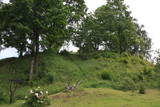 |
Atrodas 0,3 km ziemeļos no Vecpiebalgas pilsdrupām. Ap 10 m augsto, bet visnotaļ izteiksmīgo Grišku kalnu sauc arī par Piebalgas, Balgas un Veļķu pilskalnu. 13. gs. šeit bijusi svarīga apmetnes vieta ar mākslīgi nostāvinātām nogāzēm un dziļu aizsarggrāvi. Vēstures notikumi ir atstājuši ap metru biezu kultūrslāni. Bezlapu laikā no kalna paveras skats uz Vecpiebalgas baznīcu un pilsdrupu vietu. Pilskalna piekājē ir aka ar Griškavotu. |
|
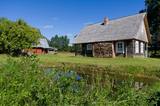 |
Dabas un meža ieskauta lauku māja ar 4 h lielu teritoriju atpūtai laukos. Caur pagalmu tek upīte Nova. 3 km attālumā atrodas Novaraisčio ornitoloģiskajā rezervātā. Rezervāta mitrājos dzīvo simtiem dzērvju. Ik rītu tās lido virs mājas un vakarā kliegdamas atgriežas. Plaša zaļā zona piemērota dažādu pasākumu rīkošanai. Iespējama nakšņošana teltīs. Īpaši gaidītas ģimeneS, kas novērtē senās lietuviešu tradīcijas. |
|
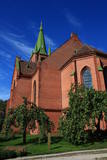 |
Mūsdienās redzamais iespaidīgais dievnams tapis ilgākā laika posmā. Jau 1870. g. latviešu draudze sāka vākt ziedojumus neogotiskās baznīcas celtniecībai, ko pabeidza 1904. gadā (V. Neimaņa projekts). Ēkas iekšpusi rotā dekoratīvi zvaigžņu velvju griesti, bet tās altārdaļā izvietotasmākslinieka J. Šķērstena veidotās vitrāžas (1940. g.) un 17. gs. kristāmtrauks. Baznīcu ieskauj plašs dārzs. |
|
 |
Das Wirtshaus befindet sich am Ufer des Sees Aluksne, im Zentrum für Landtourismus und Erholung Jaunsētas. Es ist ein Blockhaus mit Innenausstattung im Stil des 17. Jhs., als in Aluksne die spätere Zarin von Russland und die Frau des Peters des Großen geboren wurde und bei ihrem Pflegevater Ernst Glück aufgwuchs. Lettische Küche: Suppe aus Fischen (Zander oder Hecht) aus dem See Aluksne, Schweinezunge, in Mehlpanierung gebratenes Ei, geschichtetes Roggenbrot-Dessert mit Preiselbeermarmelade und Schlagsahne. Das besondere Gericht: Mittagessen nach dem Geschmack der örtlichen Einwohner: Brühe mit gebrühten Teigstücken "Profitroļi". |
|
 |
The farm breeds cattle and grows vegetables. You can receive consultations and purchase seeds and vegetables. |
|
 1 Tag
|
This outing combines fine dining at one of the most beautiful estates in Latvia with an outdoor experience at a cranberry plantation tasting cranberry-based products. The Bīriņi Castle complex is part of Latvia’s national architectural heritage. The Neo-Gothic main castle building is surrounded by a picturesque park and buildings including the stables and the water tower, which showcase the country’s industrial heritage. The castle hotel is a very popular venue for wedding celebrations. The cranberry plantation in Laugas swamp at Gundegas Farm was started in 1989 as a research farm. Cranberries are well known for their refreshing taste and medicinal qualities. They are used both for culinary purposes and in traditional medicine. Today six types of cranberries are grown in Latvia. The cranberry plantation offers the opportunity for guests to ‘pick-your-own’ during the harvest in September. |
|
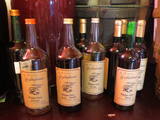 |
The farm grows fruit trees and raspberries, and it makes homemade wines from various fruits and berries, including raspberries, black currants and apples. You can purchase products, and groups of up to 25 people can attend wine tastings in a very fine hall. |
|
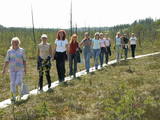 |
This is a highland swamp with several little lakes. At the SE of the area is a wooden trail.
|
|
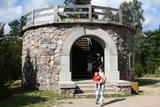 |
The tower is on one side of the range of hills known as Grantskalni (a continuation of the Blue hills of Ogre), and it offers a broad view of the Daugava River valley and the Pārogre residential district. The dendrology park that is nearby is worth a visit, because it is rich with different kinds of plants.
|
|
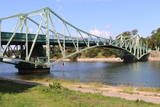 |
The bridge was built in 1906. Part of it was blown up during World War I and later restored. During the Soviet occupation, one needed special permits to cross the bridge. Military ships and other vessels used the canal, because one of the largest military bases in the USSR was sited here. In the summer of 2006, one month before the bridge’s centenary, a Georgian-flagged tanker, the Anna, rammed into the northern support structure of the bridge, and that destroyed the bridge’s turning part beyond recognition. The bridge was renovated and reopened in 2009. You can look at the bridge and cross it at any time.This is a unique engineering monument, and it is the only drawbridge of its kind in the Baltic States. It takes just five minutes to turn the two parts of the bridge.
|
|
 |
Autentiskā Zypliu muižas vidē izveidots restorāns. Kulinārais mantojums - Lietuvas muižniecības ēdieni. Ēdināšana, degustācija, izglītības programmas. |
|
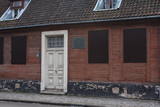 |
Находится на ул. Кунгу, д. 24.Одно из старейших зданий города - деревянный сруб с черепичной крышей, построенный во второй половине XVII века и прозванный в народе гостиницей мадам Хойер. Здесь в 1697 году во время путешествия «Великого посольства» в западную Европу останавливался (инкогнито) русский царь Петр I. Находящееся по соседству здание на ул. Кунгу, д. 26, является вторым старейшим жилым зданием Лиепаи (1699 г.) – жилой дом бургомистра города. Во время Северной войны здесь останавливался король Швеции Карл XII. Оба здания подлежат осмотру только снаружи. |
|
 |
Diese Konditorei im Kreis Rokiškis stellt traditionelle litauische Süßigkeiten her: Baumkuchen und Lebkuchen in Pilzform. |
|
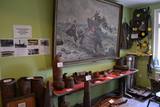 |
Das Museum wurde 2007 eröffnet. In der Exposition sind ein 180 mm Kanonenrohr, Rekonstruktion der Staatsgrenze, Zivilschutzräume, Panzerwagen, Grenzüberwachungsboot, Meeresminen. Im Hauptgebäude wird Beobachtungsradar, Waffenabstellraum, Kasernenmilieu und andere thematische Gegenstände präsentiert. |
|
 |
Atrodas Kūrmājas prospekta turpinājumā pie gājēju ietves, kas ved uz jūru. Piemineklis (uzstādīts 1977. g.) simbolizē sievieti, kas gaida mājās pārnākam savu vīrieti. |
|
 |
Saimniecība specializējas kazas piena produktu apstrādē, pieejami dažāda veida svaigie sieri, piens, kefīrs, biezpiens, fetas siers, krēmsiers. |
|
 |
Atrodas 3 km dienvidos no Velēnas luterāņu baznīcas. Savdabīgo akmens velna skulptūru 1955. g. kā „pieminekli” meliorācijas darbiem veidojis vietējais iedzīvotājs Vilis Zvaigznītis. |
|
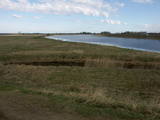 |
Eines der wichtigsten Gebiete für den Vogelzug in Bezug auf Rast und Futter für die Wasservögel in Lettland sind die Svēte-Auen, die im Frühling entlang den Svēte - Poldern überschwemmt sind. Man rechnet, daß bei guten Bedingungen Zehntausende von Vögeln in diesem Gebiet beobachtet werden können – Schwäne, Gänse, Wachtelkönige, Spießenten, Raubvögel, Regenpfeiferarten usw.
|
|
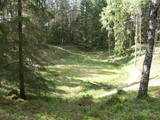 |
There are three craters here, and the biggest one, known locally as Põrguhaud, or Grave of Hell, has a diameter of 80 m and a depth of up to 12 m. There are barriers around the crater that are several metres high. The other two craters are hard to spot. The craters around 6,000 years old. No scraps of the supposed meteorite have been found, however, and so the origins of the craters cannot be confirmed with certainty.
|
|


