
| Nr | Name | Beschreibung |
|---|---|---|
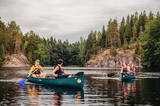 |
Within easy reach of the Finnish capital of Helsinki, visitors can escape into wild natural settings and enjoy typically Finnish scenery, with lovely lakes, green forests and rugged crags. The nearby Finnish Nature Centre Haltia spotlights the best of Finland's natural treasures from across the country. |
|
 |
Der Garten liegt am Ufer des Flusses Gauja in Nähe der Burgruine von Valmiera. Erzählung über die Verwendung von Pflanzen beim Kochen. Programme zum Brot-, Lebkuchenbacken, Käsezubereitung. |
|
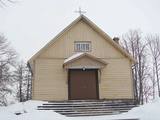 |
St. Virgin Mary Roman Catholic Church of Dukstigals. The
wooden church was burned down in the World War II and restored in 1947. The church has the icon of Our
Lady in the central altar and the statue of Our Lady.
|
|
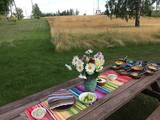 |
Ičas apmetnes ciems ir sena dzīvesvieta Ičas upes krastos. Apmetne atklāta 1937. gadā. Tā bijusi apdzīvota neolītā (4500 - 1500 pr.Kr.) un bronzas laikmetā (1500 - 500 pr.Kr.). Apmetnē dzīvojuši amatnieki, zvejnieki, mednieki.
|
|
 |
Manufacture of sausages and smoked pigs. For pig feed, the farm uses home-grown grains (not treated with glyphosates) and unmodified soybeans grown by the farm itself. Sausages and smoked meat and spices. Only natural alder firewood is used in the smoking process. |
|
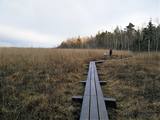 |
Taka atrodas Riekstusalas pussalā, netālu no putnu vērošanas torņa. Uz peldošiem pontoniem celtā laipa iepazīstina ar Kaņiera ezeru „tuvplānā”. Var iepazīt niedrājus, to putnus, labi redzamo ezera gultni ar zivju mazuļiem un kalcifilām augu sabiedrībām. Laipa aizved līdz salai, uz kuras aug kadiķi. |
|
 |
Atrodas Rīgas – Ventspils autoceļa (A 10) 88. kilometrā, pašā Abavas krastā. Pie stāvlaukuma interesants objekts – senais Zemgales un Kurzemes robežstabs un vēsturisko novadu robeža. Piedāvā kempinga pakalpojumus. |
|
 |
Meklējamas Lizuma ciema dienviddaļā. Tās ir vienas no retajām vējdzirnavām (1880. g.), kas saglabājušās labā stāvoklī. Mūsdienās dzirnavas ir gleznotājas Ilonas Brektes īpašums. |
|
 |
Das Café befindet sich neben der alten Backsteinbrücke von Kuldiga mit herrlichem Blick auf die „Ventas Rumba", den breitesten Wasserfall Europas. Grillgerichte im Sommer, Burger, Steaks, Schaschlik und Gebäck. |
|
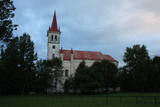 |
Meklējama Nīcgalē, starp Rīgas – Daugavpils šoseju (A 6) un Daugavas krastu. Baznīcu cēla (neogotikas stils) pēc muižnieka Henriha Plātera - Zīberga iniciatīvas 1862. - 1863. g., veltot to Jaunavas Marijas dzimšanai. Kā jau daudzas citas baznīcas, arī šī ēka un tās interjera priekšmeti cieta 1. pasaules kara laika notikumos. To atjaunoja 1922. gadā. Baznīcas iekārta ir saglabājusies no 19. gs. 60. gadiem, bet, centrālā altāra augšdaļu pārbūvēja 1957. gadā. Dažus gadus vēlāk - 1961. g. uzstādīja ērģeles. |
|
 |
Das Volkshaus von Lapmežciems–
gebaut 1957.
|
|
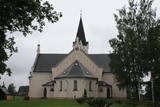 |
Die Bauarbeiten leitete von 1801-1804 Baumeister Friedrich Veit aus Cēsis. Im Zentrum des Altars des Gotteshauses befindet sich das Gemälde „Christus am Kreuze“ (2. Hälfte des 19. Jh.). Die Glocke wurde 1895 gegossen, die Orgel 1914 gebaut. Vor dem Eingang der Kirche erhebt sich ein 1930 eingeweihtes Denkmal für die im 1. Weltkrieg und im lettischen Freiheitskampf gefallenen Krieger (Bildhauer Kārlis Zāle, Architekt Aleksandrs Birznieks). Unlängst wurden Renovierungsarbeiten an der Fassade und im Innenraum abgeschlossen. |
|
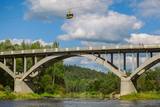 |
Gaujas tilts Siguldā ir vienīgais tilts Latvijā ar šādu unikālu tehnisko risinājumu. Pirmo reizi tilts uzcelts 1937. gadā, taču kara laikā tas tika sagrauts. 1950. gadā to atjaunoja. 2017. gada vasaras beigās noslēgsies tā rekonstrukcijas darbi. |
|
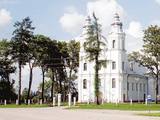 |
St. Anna Roman Catholic Church of Bērzgale. The Church was
built in 1770 and sanctified in 1776. The building is an example of Baroque style with a woodcarved altar
and two pictures of Virgin Mary. The church resembles Aglona Basilica.
|
|
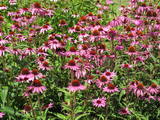 |
In der Wirtschaft erzeugt und popularisiert eine Pharmazeutin die Traditionen der Kräuterverwendung. Hier kann man Kräutertees erwerben und verkosten. Gäste können verstehen, welche Pflanzen genau für sie sind. Kenntnisse über Kräuter sind hier ausgezeichnet mit Heilverfahren und Massagen in der Sauna verbunden. |
|
 |
Der Hof Obelynė [„Apfelhof“] von Tadas Ivanauskas wird als museale Gedenkstätte in Ringaudai, Landkreis Kaunas, betrieben. Derzeit besteht der Hof aus dem Wohnhaus als Museum, dem Gartenhaus und dem Geflügelstall, einem etwa 4 ha großen Obstgarten und Park. Die Bezeichnung der Örtlichkeit stammt von den hier an den Hängen reichlich blühenden und tragenden Holzäpfeln und Weißdornbüschen. |
|
 |
The rest complex is situated on the shore of the man-made water reservoir, and there are two saunas on the territory – the Big sauna and the Small sauna. In the building of the Big sauna it is possible to organise different events for as many as 40 people, and in summertime – till 60 people. In the Small sauna – up to 20 people. Apart from the saunas, there are offered 20 different picnic places with tables, places for grills and tents, volleyball playgrounds, boats and water-bicycles for rent. |
|
 |
After the death of the Kalnasikšņi oak tree, which was the mightiest tree in the Gauja National Park, the mighty Kvēpene oak tree has taken over that role. It has a circumference of 6.1 m, a height of 20 m, and a crown which measures 28 x 30 m. The beautiful tree is on the right bank of the Gauja River valley and is one of the most excellent trees in Latvia. Near it is the forested Kvēpene castle hill, as is the Svētavots stream, which is reputed to have medicinal waters. To the North of the castle hill is the Rūsiņš hillock, which offers a good view of the surrounding forests, the towers of the city of Cēsis, Ieriķi, and the Rakšupe estuary at the Gauja. There is a bench at the top of the hillock from which lovely sunsets can be seen. |
|
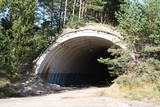 |
Die Brigade der Zenitraketen von Cirpstene war früher ein bedeutendes Militärobjekt der Küstengrenzwache. Visuell ist das Territorium in der Nähe vom Meer sehr interessant und beeindruckend. Leider wegen der ungenügenden Bewirtschaftung ist das Territorium verschmutzt und ungepflegt.
|
|
|
|
Die älteste Steinkirche Estlands (Anfang der Bau in 1227). Der einzigartige Taufstein im Baltikum aus dem 13. Jh. |
|


