
| Nr | Name | Beschreibung |
|---|---|---|
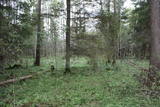 |
One of the rare places (see also Rucavas ivju audze) in Latvia where two rare and protected wild tree species grow - yew-tree and Baltic ivy. Territory is not marked on site with information signs or stands. Territory is not suitable for visitors as visitor without environmental knowledge will see “regular” forest. On the East side of the restricted area is located extending low wall – former narrow gauge railway (600 mm, length 41 km) line Dulbeni – Rucava. Railway was built by German military forces with the goal – to export wood.
|
|
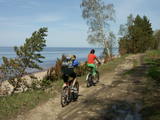 |
Das größte NATURA 2000 Territorium in Lettland bedeckt 6% der Landesfläche. Es befindet sich in den Regionen von Limbaži, Valmiera und Valka und ist ein Gebiet mit einer großen Vielfalt an Landschaften, Biotopen und Arten. Der Fluß Salaca ist einer der wichtigsten Flüsse in der gesamten Ostseeregion hinsichtlich der Laichplätze für Lachs. Das Flußtal und seine Sandsteinfelsen ziehen viele Besucher an. Es ist kein Zufall, daß der Salaca der zweitbeliebteste Fluß für Wassertourismus in Vidzeme ist. Die Küste der Bucht von Riga, die nicht sehr lang ist, weist auch eine große Vielfalt an Landschaften und Biotopen auf. Am nördlichen Ende finden wir die Randu Auen. Im zentralen Teil befinden sich Sandstrände, aber am südlichen Ende – 22 km felsige Küste. Die sogenannten Nördlichen Moore befinden sich an der Grenze zu Estland, während die Seda - Heide einer der wichtigsten Plätze in der Region zum Rasten und zur Futteraufnahme für Vögel während des Vogelzugs ist. Das Reservat weist auch einen mannigfaltigen Wald auf, in dem man alle Waldtypen, die in Lettland verbreitet sind, findet. Naturpfade und Aussichtstürme oder – plattformen findet man in den Randu Auen, am Ufer des Sees Burtnieks, entlang den Planči- und Niedrāji-Pilka- Mooren, an den Ufern der Seen Dziļezers und Lielezers und anderswo. Der Skaņākalns Park in Mazsalaca ist einer der beliebtesten touristischen Ziele in Nordvidzeme. Das Gebiet hat viele wichtige Kulturdenkmäler aufzuweisen, einschließlich eine der ältesten bekannten Ansiedlungen Lettlands – eine Fischersiedlung und ein Gräberfeld, die auf die Zeit zwischen dem 5. und 2. Jahrtausend v.Chr. rückdatiert werden.
|
|
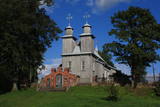 |
Одна из самых красивых деревянных церквей Южной Латгалии. Построенный из бревен и обшитый досками храм строился в период с 1750 по 1751 гг. Сохранился алтарь работы XVIII века (резьба по дереву, барокко) и проспект органа, а также более 30 предметов, имеющих художественную ценность. Во дворе церкви в XIX веке построена колокольня. В направлении озера Рушонс построен деревянный пасторат. |
|
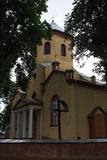 |
Atrodas Līvānu ziemeļdaļā, Baznīcas ielā 17. Dievnams uzbūvēts 1861. g. un paplašināts 1880. gadā. Pēc nopostīšanas 1. pasaules kara laikā to atjaunoja 1918. gadā. No interjera ievērības cienīgas ir ērģeles (uzstādītas 1936. g.), glezna „Svētais Jānis Kristītājs” (mākslinieks Šēnbergs) un 14 Krusta ceļa gleznas, kas ir vācu mākslinieka Fogela gleznu kopijas (19. gs. pirmā puse). Kopš 20. gadsimta sākuma bez izmaiņām ir saglabājies tikai Ostrabramas Dievmātes altāris ēkas labajā pusē. 2007. gadā nokrāsoja dievnama fasādi. Šo darbu laikā, no ēkas sienas izņēma nesprāgušu artilērijas lādiņu, kas bija iestrēdzis 1. pasaules kara laikā. |
|
 |
Atrodas Cēsu rietumdaļā – pie ceļa, kas ved uz Cīrulīšiem. Piedāvājumā – plašs ēdienu klāsts no brokastīm līdz vakariņām. |
|
 |
Das Restaurant befindet sich in der Altstadt von Liepaja, in einem restaurierten Gebäude, wo der Postbote Arvids gelebt und seine Tage verbracht haben soll. Das Gebäude hat Auszeichnungen für seine Innenausstattung erhalten. In der Speisekarte ist attraktiv das Leben des Postboten Arvids geschildert worden, dem Sie glauben oder nicht glauben können... Lettische Küche: Kalte Suppe, Ampfersuppe, im Ofen gebackener Kabeljau, Wels- und Flunderfilet, gegrillte Schweinerippen, Graupengrütze in Speck- und Zwiebelsoße, Kartoffelpfannkuchen, dünne Pfannkuchen, geschichtetes Roggenbrot-Dessert. Das besondere Gericht: Liepājas menciņi (Kabeljau von Liejapa) geräucherter Kabeljau mit Kartoffeln, Zwiebeln und Dillen in einem Keramiktopf. |
|
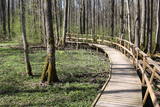 |
The excessively damp forests at this place include the Vēršupīte River bog, and this is one of the most diverse biotopes in Latvia in terms of the number of species that can be found here. The fact that the area is regularly flooded is shown by the fat roots of black alders – indeed, the place looks like a stand of mangroves. The wooden pathway that is the Dumbrāju trail starts at the Forest House for those who wish to examine the bog. The most impressive views are seen during spring floods or rainy seasons at other times of the year. The little river breaks out of its bed and floods a large territory. The Lake Sloka hiking trail is another place where you can study the Vēršupīte bog. The circular trail is 3 km long, and its beginning is at the Lake Sloka bird watching tower. |
|
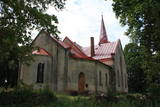 |
A bit less than one kilometre from the Aizkraukle castle hill, the church can be seen from the Rīga-Daugavpils highway (A6). The church was built in 1688 on the steep banks of the
|
|
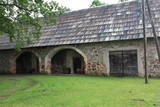 |
Der Weg, der nach Biksere führt, erinnert an eine schmale Bergstraße mit einem tiefen Graben eines kleinen Flusses. Der frühere Namen von Biksere war Libes muiža (auch Lybei Hoff, Lybienhoff), die heute noch erhaltenen Gebäude gehörtem dem Gutsherrn Magnus. Der neogothische Turm des Herrenhauses wird in Kunstkenner-Kreisen als architektonische Kuriosität bezeichnet. Im Herrenhaus ist der Sitz der Gemeindeverwaltung von Sarkaņi. In der ehemaligen Scheune hat der Kunstliebhaber Andris Trečaks seine Antiquitätensammlung ausgestellt. Von der Scheune aus hat man einen wunderbar weiten Blick auf die tiefer gelegene Ebene von Lubāna. |
|
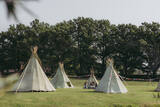 |
Glamping "Kadiķi" is located in Auce region - it will open in July 2021. It is a unique recreation area with a private area where you can find new feelings, spend the night in wigwam, merge with nature, enjoy the peace and quiet far from the city, see flocks of deer and deer, surround the surrounding waters, go hiking on forest trails, archery, enjoy the beauty of the natural landscape and gain an unforgettable rural adventure. The company's values are nature, private space and atmosphere, ecologically responsible attitude towards the environment. The wigwam has amenities worthy of a glamping tent - bed, interior items, outdoor terrace. Guests will also have breakfast. Nomadic Homes also offers to buy or rent wigwams for private events, recreation or starting your own business. |
|
 |
Piedāvājumā relaksācija pirtī - sildīšanās, skrubēšanās, enerģiskais pēriens, kā arī dažādas masāžas. |
|
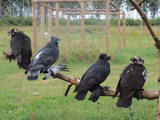 |
You can take an individual trip through the mini-zoo or have a guide to accompany you. You will see 16 types of doves, a Vietnamese pigmy pigs, river rats, rabbits, chinchillas, goats, parrots, turtle doves, ducks, geese, chickens, pheasants, and other birds. Children will love feeding the animals and establishing contacts with them. |
|
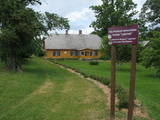 |
Pirms dodamies tālāk – Skaistkalnes virzienā, var izmest nelielu loku līdz Lejeniekiem, kas atrodas skaistā vietā – Mēmeles kreisajā krastā, 6 km austrumos no Bauskas. Latviešu dzejnieka Viļa Plūdoņa (1874. – 1940.) memoriālais muzejs dibināts 1968. g. viņa dzimtajās mājās „Lejeniekos”. Zemgales daba un vecmātes stāsti būtiski ietekmēja nākamā dzejnieka daiļradi. Šeit nokļuvušie var apskatīt ratu un etnogrāfisko priekšmetu kolekciju, izstaigāt Plūdoņa taku vai apmeklēt dzejnieka un viņa radinieku atdusas vietu netālu esošajos kapos. Bērniem noteikti jāiegriežas “Zaķīšu pirtiņā”. |
|
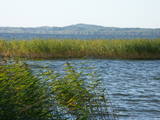 |
The eastern, southern and western shores of Lake Rāzna have roads which offer many lovely and unusual views of Latvia’s second largest lake and its surrounding landscape. Particularly lovely is the road between Foļvarkova and Vilkakrogs, which is part of the Rēzekne-Ezernieki road.
|
|
 |
Redzamas pa lielu gabalu Vecumnieku – Skaistkalnes un Stelpes ceļu krustojuma tuvumā. Šīs Holdandes tipa vējdzirnavas uzcēla 1903. gadā. Sākot ar 20. gs. 30. gadiem dzirnavas darbojas ar elektrības palīdzību. Līdz mūsdienām ir saglabājušies vējdzirnavu vēsturiskie mehānismi. Kādreiz daudzie vējdzirnavu stāvi bija raksturīga Zemgales vēsturiskajam novadam, ko pamatoti dēvē par Latvijas „maizes klēti”. Diemžēl līdz mūsdienām ir saglabājušies tikai daži. Šīs vējdzirnavas ir apskatāmas tikai no ceļa malas.Ap 8 km rietumos (Iecavas virziens) redzamas vēl vienas – Kāravu vējdzirnavas. |
|
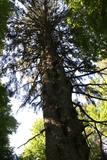 |
This is the thickest and mightiest Norwegian spruce (Picea abies) in Latvia. Its monolithic trunk, with its small holes, is unusual. The tree is in the overgrown park of the former Īve Estate, behind the ruins of the mansion.
|
|
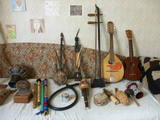 |
The craftspeople use natural materials to produce rattles, wind chimes and musical instruments. They teach children how to make pipes out of reeds. Aleksandrs has a collection of some 100 different instruments which he knows how to play. You can commission or purchase products from the craftspeople. |
|
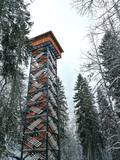 |
Dabas liegumā "Lielie Kangari" atrodas 33 metrus augsts skatu tornis, kura virsotnē atrodas platforma, no kuras paveras skats uz Kangaru ezeru un Lielkangaru purvu. Dabas liegumā izbūvēta arī nepilnu divu kilometru gara pastaigu taka ar tiltiņiem un skatu platformu pie ezera. Takas sākumā izvietotais veselības maršruts ikvienu apmeklētāju aicina kārtīgi izvingroties un izkustēties. Apmeklētāju informēšanai un izglītošanai visas takas garumā izvietoti arī informatīvie stendi ar fotogrāfijām, kas apvieno varenu stāstu un teiku kopumu par notikumiem, vietām, tēliem un parādībām dažādās apkārtnes vietās. |
|
 |
Der Gebrüderfriedhof von Lāčukrogs –
Friedhof für die im Ersten Weltkrieg
Gefallenen.
|
|
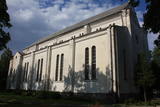 |
was built between 1930 and 1947. On both sides of the altar are sculptures of angels that date back to the late 17th century and were sculpted in Subate. They are the only elements of this kind in the Baroque decorative sculpture in churches in Kurzeme. It may be that the figure of the Saviour on the cross with a sleeping lamb at his feet was produced by the same artists. No one knows how the artworks arrived in Subate. The organ with its wooden pipes was manufactured by Juris Bokums. During the season, the interior of the church can be toured, and if you contact the church in advance, you can arrange for organ music performances. |
|


