
| No | Name | Description |
|---|---|---|
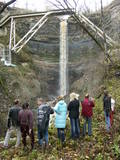 |
This is a cliff with various levels. Known as the North Estonian cliff, it stretches all along the shore of the Bay of Rīga in Estonia, including some of the local islands. The most expressive part in geological and landscape terms is the Saka-Ontika-Toila cliff, which is around 22 km long and offers an unusual natural environment. The cliff is as much as 53 m high, and it has a fairly virginal forest along its slopes. The layers of clay, sandstone, limestone, etc., come from the Cambrian and Ordovician periods. The Valaste juga (Valaste waterfall) is 24 metres high. After a longer period of freezing temperatures, the waterfall has a particularly impressive appearance. Seasonal waterfalls (8-10 m) can be found near the villages of Ontika and Toila.
|
|
 |
Here you can watch ponies, donkeys, dwarf sheep, dwarf goats, dwarf rabbits, dwarf pigs, a llama, chickens and other fowl. Children can take rides with a pony or donkey, and they can feed fish in the local pond. There is a playground, along with a picnic location, “Paradise for dwarves.” |
|
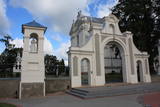 |
The Krāslava Catholic Church was built between 1755 and 1767 after a design by the Italian architect A. Paracco, and it is considered to be Latgale’s most outstanding Baroque monument. The interior can be toured, and you can also visit the restored cemetery where members of the Plater family of noblemen are buried. |
|
 |
Vecpiebalgas vecajos kapos (Vecpiebalgas austrumdaļā, pa ceļam uz "Saulrietiem" un "Vēveriem") apskatāms piemineklis, kas veltīts brāļu Kaudzīšu romāna "Mērnieku laiki" personāžam - Lienai. Piemineklis uzstādīts 1987. g. (tēlniece M. Baltiņa). Pirms ceļojuma atkal ir jāpāršķirsta "Mērnieku laiki"! |
|
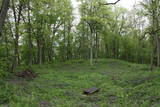 |
Aptuveni 0,5 km dienvidos no Mežotnes pilskalna atrodas Vīna kalns, kas līdzīgi kā Mežotnes pilskalns, ir veidots, izmantojot Lielupes ielejas stāvās krastu nogāzes, tās pārveidojot. Vietvārds ir it kā radies no stāsta, ka šeit parādījies dievgalds ar maizi un vīnu. Vīna kalnu ar Mežotnes pilskalnu savieno jauka koka laipa, kas ved pa Lielupes ielejas pamatkrasta lejas daļu. |
|
 |
The beautiful wooden building, located right at the entrance of Gulbene, provides a place for guests to have a meal, enjoying the perfect atmosphere for relaxation and well-being. Home cooking and Latvian dishes. |
|
 |
Bērzes upes labajā krastā, vietā, kur tagad paceļas Dobeles pilsdrupas, jau 1. gadu tūkstotī p. m. ē. atradās zemgaļu apmetne un vēlāk – koka pils. Gandrīz simts gadus pils izturēja vairākus krustnešu uzbrukumus un aplenkumus, un tikai 1289. g., kad vācieši bija pilnībā izpostījuši apvidu un tālāka pretošanās kļuva bezcerīga, zemgaļi paši nodedzināja savu koka pili un neuzvarēti aizgāja uz Lietuvu. 700 gadus vēlāk, 1989. gadā, godinot zemgaļu cilšu piemiņu, bijušās senpilsētas vietā tika atklāta piemiņas zīme, ko veidojis mākslinieks Mārtiņš Zaurs. Akmenī iecirsts teksts: “Zini, no šīs vietas pirms 700 gadiem zemgaļi aizgāja lepni un brīvi”, kā arī dzejnieka Viļa Plūdoņa vārdi : “Mēs svešā malā ejam, bet sirds mums paliek te”. |
|
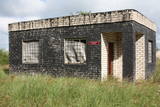 |
The Lūžņa radio equipment company was part of the Naval Border Guard in Soviet Times. The car park in the centre of Lūžņa offers a fine view of the former military complex. Some buildings are used as apartment buildings at this time.
|
|
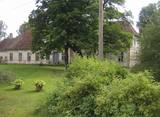 |
The historical centre of the Tāšu Estate is in the Ālande (Telse) River Valley near Lake Tāši. The current estate was built by the von Korff dynasty, and the mansion dates back to 1734. Inside there are valuable Baroque fireplaces, the main entrance portal made of sandstone from Gotland, the original stone floor in the hall, parquet and wall panels. The front door, windows, stairs and other details were installed in the early 19th century |
|
 |
Atrodas pie Jēkabpils – Rēzeknes autoceļa (A 12), - autostāvlaukuma malā. No torņa redzama samērā plaša Teiču purva daļa ar atsevišķām salām (kokiem apauguši paaugstinājumi) augstā purva ainavā. Teiču purvam ir dabas rezervāta statuss, tādēļ apmeklējams ir tikai tornis. |
|
 |
The Klūgu family owns a landscape garden that has been declared to be one of the most beautiful gardens in Latvia, offering a diverse landscape which the owners recommend be enjoyed in July, when the summer flowers are most colourful. If you want to satisfy the dream of the family -- living in a park, you must see Latvia's typical landscape with large deciduous trees, various coniferous trees and a colourful park of shrubs that has been established over the course of several years. |
|
 3 days
|
This tour will take you exploring the peculiar island of Rusnė and the delta of the river Nemunas in Lithuania. The island of Rusnė in the Nemunas Delta Regional Park is enclosed by waters of the river Nemunas and its tributaries. It is a resting place for migratory birds and home to a cormorant colony. The area of the island is 45 km2 and it is connected to the mainland by a bridge. The island of Rusnė is the lowest place in Lithuania, lying below sea level. The historic centre of the town Rusnė is characteristic of authentic wooden architecture, buildings painted in bright colours, colourful window shutters and decorations. The Baltic Coastal Hiking Route leads through the small town of Šilutė, revealing architecture that was once common to East Prussia. From Šilutė to Kintai, the Baltic Coastal Hiking Route runs along a low plain. To protect this area from flood waters of Nemunas, there is a system of dams, polders and canals established. After crossing the river Minija, the route invites you to visit the ethnographic village of Minija. Here you can enjoy the lowland landscape of the seaside region with vast wetlands and ponds. |
|
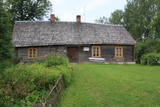 |
The distinguished Latvian author an painter Jānis Jaunsudrabiņš (1877-1962) spent six years of his childhood at Riekstiņi in Nereta. He was born into a servant family and moved to Riekstiņi together with his mother after his father passed away. The household inspired him for his "White Book." In honour of Jaunsudrabiņš, a museum was opened at Riekstiņi in 1967, and it is in an authentic Selonian farm with its spirit and aromas. You can tour the residential building and the homestead's granary and wheelhouse, also houshold building from 1820. The apple orchard has trees that are 100 years old and older. Nearby is the Ķišķi cemetery (on the side of the Vecumnieki-Ilūkste road), where members of the Jaunsudrabiņš family were interred and Jānis Jaunsudrabiņš was reburied in 1997. The Nereta Administrative District still has many single family farms and place names which Jaunsudrabiņš mentioned in his books. |
|
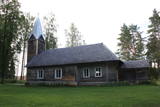 |
The Lode (Apši) Lutheran Church is between Lake Bānūži and Lake Ilze. It is a unique example of wooden architecture and dates back to 1780. The log church had a straw roof until the early 20th century, at which point a shingled roof was installed instead. |
|
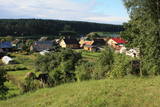 |
Karņicka kalns pēc savas izcelsmes nav kalns, bet gan Daugavas ielejas nogāzes daļa ar labu skatu uz Krāslavas mazstāvu koka apbūvi. Ar šo vietu saistīts traģisks nostāsts par poļu virsnieka Josifa Karņicka un grāfa Plātera meitas mīlestību, kurai nebija lemts piepildīties tā laika „paražu” dēļ. Tā rezultātā abi nelaimīgie nolemj izdarīt pašnāvību. Virsnieks nošaujas, bet Emīliju pēdējā brīdī izglābj kalpone, neļaujot tai izlēkt pa pils logu. J. Karņicka pašnāvības vietā ir uzstādīts piemineklis. Nedaudz tālāk – rietumu virzienā guļ t.s. Austriņa akmens, pie kura 1909. gadā iedvesmojies un radījis latviešu rakstnieks Antons Austriņš. |
|
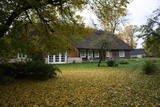 |
Ethnographical guesthouse in the historical Paenese, Muhu island
|
|
 |
Located in one of the most untouched corners of northern Latgale. Already from the spring they offer worker bee and later both, young and producing bee, propolis and wax mixture candles, pollen bread and propolis in butter. The workshop produces bee hives and other apiary equipment. |
|
|
|
Remnants of the plank ways of a fishing port can be seen on the shoreline and
in the sea opposite Mazirbe. They recall the former fishing co-operative Zivs, which
was here in the 1930s.
|
|
 |
The Strauti farm is on the eastern edge of hillocks in Embūte. The southern edge of the farm neighbours large forests with many wild animals. Alongside is a former fowl farm. The farm breeds rabbits, sheep, fowl, two horses and a pony. It has a herd of cows, including Latvian Blue cows. The farm offers tours for schoolchildren and others. Contact the farm in advance to purchase rabbit meat, wool and vegetables. The farm is biological. |
|
 |
Pie ceļa, kas no Bernātu ciema centra ved uz jūru, redzamas augstas ar mežu apaugušas kāpas. Uz vienas kāpas (ir norāde) novietots piemiņas akmens ar pirmā Latvijas Valsts prezidenta Jāņa Čakstes 1924. g. teiktiem vārdiem: “Te jābūt kūrortam.” Atrodas Bernātu dabas parkā. |
|


