
| Nr | Name | Beschreibung |
|---|---|---|
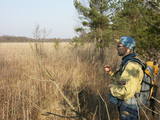 |
Dieses grüne Sumpfgrasland ist ein Gebiet zwischen Dünen, das von Zeit zu Zeit überschwemmt wird, es ist ein wichtiger Ort für geschützte Pflanzen. Dieser Sumpf kann gut von den bewaldeten Dünen, die auf der südöstlichen Seite des Sumpfes stehen, betrachtet werden.
|
|
 |
"Līdumkalni" atrodas Ķurbē -Kurzemes ziemeļrietumu daļā, starp Dundagas mežiem un Ķurbes lielo silu, zaļu pakalnu vidū, 15 km no jūras un ne pārāk tālu no debesīm. Šeit laiks rit lēni. Tas nevienu nesteidzina. Laika pietiek, lai vērotu Dieva radīto pasauli un ieskatītos Viņa bagātajā aptiekā. Laika pietiek lai iepazītos ar kristīgajām tradīcijām un dzīvesveidu, lai iegūtu praktisku lūgšanu un meditāciju pieredzi. Laika pietiks arī veselīgas maltītes pagatavošanai lauku virtuvē vai uz ugunskura un pašam savas gleznas uzgleznošanai gleznotājas darbnīcā. |
|
 |
Das Café befindet sich im historischen Zentrum von Ludza, wo man eine schöne Aussicht auf die Kirchen der Stadt und dem Burgberg hat. Hier werden lettgallische Gerichte aus lokalen Produkten vorberietet. Lettische Küche: Graue Erbsen mit Speck, auf verschiedene Weisen vorbereitetes Schweinefleisch. Das besondere Gericht: Gastmahl des Wirtes: Hähnchen- und Rinderfilets mit Käse und Honigsoße. |
|
 |
Das Wirtshaus befindet sich im Schloss von Mezotne und bietet köstliche und feine Speisen und Getränke an. Es ist wert, sowohl die prachtvolle Innenausstattung des Schlosses, als auch einen der schönsten englischen Landschaftsparks in Lettland zu besichtigen. Lettische Küche: Kartoffelpfannkuchen, eingelegte Heringsrollen, Forelle mit Kartoffel in der Montur, gebratene Blutwurst mit Preiselbeersoße, graue Erbsen mit Speck, geschichtetes Roggenbrot-Dessert mit Moosbeerenmarmelade und Schlagsahne. Das besondere Gericht: Taler von Bauska: Schweinefleisch in der Form eines Talers mit Soße aus Bier von Bauska. |
|
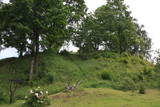 |
Atrodas 0,3 km ziemeļos no Vecpiebalgas pilsdrupām. Ap 10 m augsto, bet visnotaļ izteiksmīgo Grišku kalnu sauc arī par Piebalgas, Balgas un Veļķu pilskalnu. 13. gs. šeit bijusi svarīga apmetnes vieta ar mākslīgi nostāvinātām nogāzēm un dziļu aizsarggrāvi. Vēstures notikumi ir atstājuši ap metru biezu kultūrslāni. Bezlapu laikā no kalna paveras skats uz Vecpiebalgas baznīcu un pilsdrupu vietu. Pilskalna piekājē ir aka ar Griškavotu. |
|
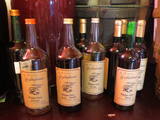 |
The farm grows fruit trees and raspberries, and it makes homemade wines from various fruits and berries, including raspberries, black currants and apples. You can purchase products, and groups of up to 25 people can attend wine tastings in a very fine hall. |
|
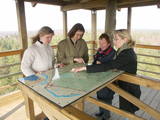 |
Ložmetējkalns in Tīreļpurvs ist ein historisches Denkmal von nationaler Bedeutung – einziger kulturhistorischen Schutzgebiet in Lettland (der Gedenkpark der Weihnachtskämpfe). Es lohnt sich, den erneuten Aussichtsturm hinaufzusteigen. Von diesem Turm hinaus kann man der Morast Maztīrelis mit der ehemahliger deutschen Schmalspurbahn, die der Morast in Nord – südlicher Richtung durchquert (eine Reihe von größeren Bäumen in der Natur) besichtigen. In der Umgebung der Häuser von Ložmetējkalns, Tīreļpurvs und Mangaļi sind für baltische Staaten einzigartige Zeugnisse über die Fortifikationsgebäuden des I Weltkrieges, als auch über die an diesem Platz geführten Weihnachtskämpfe erhalten geblieben. In Mangaļi ist es möglich die Exposition über die Kämpfe anzusehen, zum Beispiel sogenannter "Deutscher Wall " u.a. Die Besucher haben die Möglichkeit in Begleitung eines gebildeten Reiseführers das Territorium zu besichtigen. Im Park findet auch thematische und bildende Maßnahmen statt.
|
|
 |
Ap 9 km garā taka (vienā virzienā) sākas Skaņākalna dabas parkā (Mazsalacā) un beidzas pie Ramatas. Tā iepazīstina ar Salacas ielejas dabas parka nozīmīgākajām vērtībām – smilšakmens atsegumiem (Skaņaiskalns, Dauģēnu klintis u.c.), alām, nozīmīgu izmēru laukakmeņiem u.c. Taka marķēta. Tajā izvietoti informācijas stendi, norādes. Jāpadomā par loģistiku – kā nokļūt sākuma punktā. |
|
|
|
Gegründet für den Schutz der Landschaften und der Seen der Aukštaitija-Anhöhe, Arten und Biotope. |
|
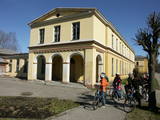 |
Der Name Ķemeri (Kemmer) ist in den schriftlichen Quellen zum ersten Mal im Jahr 1561 erwähnt worden. In der zweiten Hälfte des 18. Jhs. und am Anfang des 19. Jhs. war der Heilcharakter der Schwefelquellen und der Schlammbäder von Ķemeri sehr gut bekannt, darum ließen sich hier die höheren Kreise von Kurland behandeln. Die Gäste wurden von den einheimischen Forstaufsehern aufgenommen. Zu dieser Zeit wurden hier die ersten Schlammbäder genommen. Die Entwicklung der Badeorte Jūrmala und Ķemeri wurde für eine Weile von dem Vaterländischen Krieg im Jahr 1812 unterbrochen. Zwei Jahrzehnte später – von 1833 bis 1835 hat die Qualitäten von Ķemeri der baltische Generalgouverneur Graf Carl Magnus von der Pahlen ausprobiert, der die Aufmerksamkeit des russischen Zaren Nikolai I auf die Unterstützung der Entwicklung des Kurortes wendete. Die Bitte wurde unterstützt und im Jahr 1836 stellte der Zar 700 Hektar Staatsland und 100 000 Rubel für den Bau einer Heilanstalt und für das Pflastern der Straße von Ķemeri bis zu der großen Straße Sloka – Tukums bereit. Zwei Jahre später (1938) wurde die erste staatliche Badeanstalt eröffnet. Dieses Jahr wird auch als das Gründungsjahr des Kurortes angenommen. Der Ruf des Kurortes verbreitete sich im ganzen Russischen Reich und er wurde immer mehr bekannter. In mehreren Etappen wurde mit der Einrichtung des Parks von Ķemeri begonnen, der ein bedeutender Teil des Kurortes ist. In der Mitte und in der zweiten Hälfte des 19. Jhs. förderte die weitere Entwicklung des Kurortes sowohl der Dampferverkehr, als auch die im Jahr 1877 eröffnete Eisenbahnlinie von Riga nach Tukums. Im Jahr 1912 wurde die direkte Bahnverbindung Ķemeri – Moskau eröffnet. Kurz vor dem Ersten Weltkrieg erreichte die Zahl der Patienten 8300 Menschen pro Jahr. Das Moor von Ķemeri war für mehrere Jahre die Frontlinie des Ersten Weltkriegs und der Kurort wurde erheblich zerstört. Trotzdem blühte der Kurort nach dem Krieg schnell auf und Ķemeri wurde zu einem beliebten Erholungsort der Einwohner von Riga und zu einer der modernsten Kuranstalten in Europa. Im Jahr 1924 wurde in Ķemeri eine neue Badeanstalt mit Schlammbädern gebaut, die zu dieser Zeit eine der modernsten Badeanstalten in Europa war. Im Jahr 1936 hat der Staatspräsident Kārlis Ulmanis einen der bedeutendsten Bauten der ersten Unabhängigkeit Lettlands – das Hotel Ķemeri – eröffnet. Auch nach dem Zweiten Weltkrieg – während der Sowjetzeit – hat sich der Kurort erweitert und in seiner Umgebung wurden fast 10 Sanatorien eingerichtet, wo ungefähr 100 Ärzte gearbeitet haben. Im Jahr 1971 hat Ķemeri den Status als der Kurort der Sowjetunion erlangt. In der Zeit zwischen 1975 – 1985 wurde in Ķemeri das größte Sanatorium mit dem Namen Līva (in seinen Anfängen Latvija) gebaut, das zwei Gebäude, jedes mit elf Etagen hatte. In dem Sanatorium konnten gleichzeitig bis zu 1200, aber in einem Jahr – bis zu 140 000 Patienten behandelt werden. Das Sanatorium wurde am Anfang der 1990er Jahre als unrentabel geschlossen. Bis 1994 arbeiteten in Ķemeri diese fünf Sanatorien Čaika, Daugava, Dzimtene, Ķemeri und Līva (Latvija) und die Poliklinik des Kurortes Ķemeri. Die folgende Zeit kann man als den Niedergang des Rufes des Kurortes betrachten, der davor weit und breit bekannt war. |
|
 |
Im Betrieb Teearu werden verschiedene Gerichte vom Fisch aus dem Peipussee zubereitet, besonders ist die hier gemachte marinierte, geräucherte Brachse beliebt. Die Besucher können auch das nach den traditionellen Methoden gemachte Rauchfleisch probieren. Man kann auch Verpflegung bestellen. |
|
 |
Dieses reizvolle Gebiet schließt die Hügel von Embūte, die sich im Embūte - Urstromtal befinden, ein. Ziel der Einrichtung des Parks war der Schutz von Landschaft, Biotopen und Arten dieser Region. Ein ökologischer Tourismuspfad wurde im Tal eingerichtet und ein Waldpfad durch den Naturpark (nur gemeinsam begehbar mit einem Führer). Besucher werden etwas über die Hügellandschaften und Schluchten erfahren, die die Eiszeit hinterließ. Die Schluchten und die sie umgebenden Wälder sind geschützte Biotope. Es gibt hier auch wichtige Natur- und Kulturdenkmäler, wie z.B. den Embūte - Burgberg sowie die Ruinen von Gutshof, Schloss und Kirche. Andere interessante Objekte sind der Indulis - Burgberg, der Joda - Damm, Wiesen, ein Aussichtsturm usw. Es gibt 3 unmarkierte Fahrradrouten in diesem Gebiet.
|
|
|
|
Der Grenzwacheposten 14 in Akmeņrags wurde früher als Beobachtungsposten des Meeres genuzt. Zur Zeit ist das Objekt im Besitz von der Selbstverwaltung des Gebietes und wird nicht genutzt.
|
|
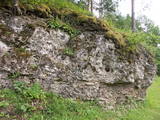 |
Das ist ein Abschnitt des Gauja – Flusses mit Stromschnellen an einigen Stellen. Es erstreckt sich von Vidaga bis zum Ort, wo der Fluss Vecpalsa indie Gauja fließt. Entlang der Gauja und seinen Nebenflüssen kann man Dolomitaufschlüsse an seinen Ufern sehen, die größten sind die Randati – Klippen. Das Territorium wurde vor allem eingerichtet, um die verschiedenen Arten an Wald, Wiesen, Aufschlüssen und ihre Habitate zu schützen. Das ist ein interessanter Abschnitt des zentralen Teils der Gauja, vor allem für Leute, die die schöne Landschaft genießen möchten und für Wassertouristen.
|
|
 |
Café in Baloži, 11 km von Riga entfernt. Eine große Auswahl an Gerichten für jeden Geschmack, von Frühstück und Snacks bis hin zu einer Vielzahl von Hauptgerichten, sowohl aus der Region als auch aus Europa. Besonders freundlicher Ort für Familien mit Babys. |
|
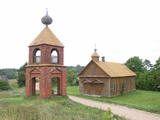 |
One of the most unusual houses of worship in the national park, this one has a red brick tower, and together with local residential buildings it makes up an interesting cultural landscape. The prayer house is not open to the public. |
|
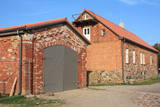 |
Found on the right bank of the Saka River at Dzintaru Street 1, the museum is in the first red brick and fieldstone building in Pāvilosta. It was built in 1879 for ship pilots. The museum focuses on the history of the local region, particularly in terms of fishing and seafaring. Among the exhibits are stone and bone axes, bronze brooches and belts, as well as a unique honey press, all of which have been found in the Saka Parish. Alongside the museum is a boathouse with larger exhibits. A mansard that was opened in 2012 is a site for exhibitions and thematic events. The museum’s phone number is +371-6349-8276. Make sure that you also visit the oldest part of Pāvilosta – Āķgals, which is a typical coastline village from the 19th and early 20th century. |
|
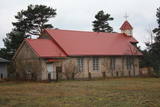 |
Atrodas ciema ziemeļdaļā. Neliela vienstāvu ēka ar svaigi nomainītu jumtu. Pēc vieniem avotiem celta 1883. gadā, citiem – pamatakmens ielikts 1933. g. 1. maijā. Tā tapusi pēc vietējo iedzīvotāju ziedojumiem uz Pirču māju zemes (saimnieks zemi atdevis dievnama celtniecībai). Baznīcas iekārta 2. pasaules kara laikā gāja bojā, tādēļ mūsdienās redzamā ir tapusi 20. gs. otrajā pusē. |
|
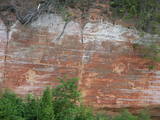 |
Einer der bekanntesten Sandsteinaufschlüsse in Lettland mit einer Echo-Felswand (etwa 12 m hoch). Am rechten Ufer der Salaca wurde ein Rastplatz angelegt, an dem man ein Experiment durchführen kann: Man stellt sich dem Aufschluss gegenüber hin und spricht nur halblaut. Das Echo kann der Sprecher selbst und alle anderen auf dem Platz hören. Die Objekte befinden sich im Naturpark Salaca und im Park Skaņaiskalns.
|
|
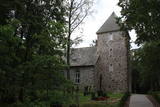 |
1.2 km to the south of the centre of Ģipka and on the side of the Jūrmala-Kolka road (P131), this church makes it hard to believe that the rock church was built very recently – after 1992, because it was burned down during the Soviet occupation in 1979. Ironically, the Dundaga forestry fire safety post was housed in the steeple of the church after World War II. The ornate altar and organ were destroyed in the fire, but the altar painting, “Christ on the Cross,” was saved. The church is now once again open for business. |
|


