
| Нo | Название | Описание |
|---|---|---|
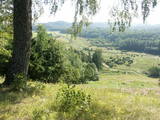 |
This territory was established so as to preserve the natural and cultural landscape of the most distinct part of the Alūksne highlands – a landscape which is made up of the highest hillocks in the area – Dēliņkalns Hill, Dieva Hill, Saules Hill, the Drusku castle hill, and the Kornetu-Peļļu sub-glacial river bed (one of the most significant terrain differences in Latvia). There are lakes, too – Lake Pilskalns, Lake Dzērve, Lake Ieva, Lake Raipals, etc. There are also significant biotopes – hillside and gully forests, various kinds of swamps and meadows, damp forests, etc., all with their own species of flora and fauna. There are nature trails and tracks for cross-country and downhill skiing in the area. There are three restricted natural areas in the territory – Korneti-Peļļi, the Avotu forest, and Dēliņkalns Hill. |
|
 |
The loveliest views of the local cultural and historical treasures (the Āraiši lake castle, the Lutheran church, the parsonage, Medieval castle ruins – all of these cultural monuments). The hillocks of the area which offers this view can be found in the immediate proximity of the Āraiši windmill and the Drabeši-Āraiši road.
|
|
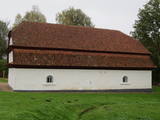 |
В амбаре Падурской усадьбы (единственный в Латвии построенный в стиле ампир трёхэтажный амбар) туристическим группам предложат кочу (сытная каша из перловой крупы с луком и мясом), различные супы (уху, щавелевый), клецки, сыр и всевозможные сладкие блюда. Дегустация домашнего вина. Интересующимся хозяйка расскажет о традициях годичного круга, об истории амбара. Латышская кухня: Рыбный и щавелевый супы, клёцки (сладкие, солёные), свиные ребрышки, сыры, сладкие блюда, домашнее вино. Особое блюдо: Коча - сытная перловая каша с луком и мясом. |
|
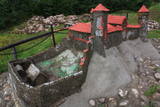 |
Науенское городище находилось на крутом правом берегу долины Даугавы на высоте 25 м, между двумя оврагами. Под руководством магистра Ливонского ордена Эрнеста фон Раценбурга в 1275 - 1277 гг. на месте прежнего латгальского деревянного замка возводится каменный замок. До середины XVI века замок служит резиденцией комтура Динабурга. В 1577 году войска Ивана Грозного полностью разрушили замок. После этого события Динабург теряет свое стратегическое значение, и строительство новых укреплений начинается в том месте, где сейчас находится Даугавпилс.Рядом с развалинами замка ордена установлен уменьшенный макет замка. С места автостоянки до городища можно дойти по тропе. С городища открывается один из красивейших видов на изгибы Даугавы. |
|
 |
В хозяйстве производят разные дары села – сыр, масло, сметану, сливки, творог. Можно приобрести свежие яйца. |
|
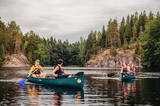 |
Within easy reach of the Finnish capital of Helsinki, visitors can escape into wild natural settings and enjoy typically Finnish scenery, with lovely lakes, green forests and rugged crags. The nearby Finnish Nature Centre Haltia spotlights the best of Finland's natural treasures from across the country. |
|
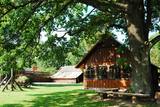 |
Vieta Suvalkijā ģimenes svinībām un atpūtai laukos. Atjaunotajā ar vēsturi saimniecībā atradīsiet etnogrāfisku un modernu interjeru elementu sajaukumu. Plaša dzīvojamā istaba ar kamīnu, oriģinālas ozolkoka mēbeles, guļamistabas ar visām ērtībām un virtuvi. Lauku pirts un kubls. Mežs pie mājas bagāts ar sēnēm un ogām. Piedāvājumā izglītojošas aktivitātes, stafetes bērniem un viņu vecākiem līksmībai, pirtnieka pakalpojumi.
|
|
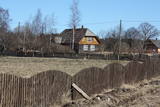 |
Находится на северо-западе (в направлении моря) от Питрагской баптистской церкви. Кургаты – это построенное в тридцатых годах прошлого столетия хозяйство рыбака и земледельца, которое внесло в населяемое ливами побережье новые элементы строительства – усеченный конец кровли, что не было характерно для ливских сельских построек. |
|
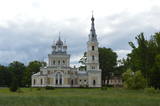 |
Поскольку супругой владельца Стамериенского поместья - Йогана Готлиба фон Вольфа – Софья Потемкина была православной, в Стамиерене в 1902 году было начато, а двумя годами позже и закончено, строительство и освещение храма. Кресты церковной башни известны своими горными кристаллами – подарками баронов Бориса и Паула Вольфов. Предварительно согласовав, церковь можно осмотреть изнутри. |
|
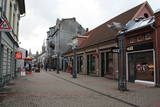 |
Pirmā Liepājas gājēju iela. 140 m garā iela par gājējiem piemērotu tika pārveidota mūzikas festivāla “Mēs Liepājai” (1988. g.) laikā savāktajiem līdzekļiem. Daudzo veikalu un kafejnīcu dēļ iela ir dzīva, tāpēc vietējo iedzīvotāju un viesu iecienīta. |
|
 |
Klusā lauku teritorijā un priežu jaunaudzes ielokā atrodas ģimenes uzņēmums ar videi draudzīgu saimniekošanas filozofiju - "LavenderVilla". Teritorijā ir izveidots lavandas lauks un lavandas labirints ar ~ 6000 lavandas stādiem. Saimniecības apmeklētājiem tiek piedāvāts iepazīties ar lavandas audzēšanu, ko izmanto dizaina priekšmetu, ēteriskās eļļas un tējas ražošanai. Papildus tiek piedāvāti naktsmītnes pakalpojumi lavandas un zāļu atpūtas namiņā, pasākumu organizēšana (joga līdzās lavandām, tematiskie pasākumi, kāzu ceremoniju vieta u.c.), pirtnieka pakalpojumi, fotografēšanās iespējas lavandas laukā un lavandas pārtikas produktu degustācijas. |
|
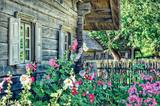 |
Музей деревенского быта был основан в 1991 г. на территории в 18 га, где Аукштайтийский регион представлен аутентичными усадьбами |
|
 15 дней
|
The road trip from Vilnius to Rīga will take you to the most beautiful and important sightseeing places of the Next on the route is the Dubysa Regional Park, which includes the spectacular Dubysa river valley, historic churches and mounds along its banks. Be prepared, since the terrain of this area is rather rolling. Next, you will visit the town of Šiluva, which is a Catholic pilgrimage site, and then travel to the Tytuvėnai Regional Park, where you walk the natural trail of the lake of Gilius, which is part of the Forest Trail. The tour will continue in the Kurtuvėnai Regional Park, where you will walk one section of the Forest Trail from Kurtuvėnai to Šaukėnai, leading along small forest trails, educational trails, beautiful tree alleys and through wetlands. Then you will go to the region of Samogitia, visiting Telšiai and walk one of the Forest Trail sections along Lake Plateliai. Next, the tour takes you through the stone town of Mosėdis to Latvia, where you will stop over to have a walk on one of the oldest towns in Latvia – Aizpute, enjoying its 19th century wooden architecture and the local wine brewery. Next you will take a small walk along the Forest Trail in the eye-catching Kazdanga manor park and drive on to the most beautiful town of Kurzeme – Kuldīga. At the end of the tour, you will walk a section of the Forest Trail along the Abava River Valley Nature Park and nature trails in the Ķemeri National Park. |
|
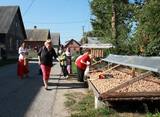 |
Вдоль Чудского озера расположена еще одна деревня-улица, которая стала домом для старообрядцев, бежавших из России столетия назад от преследований Колкья - Касепя - Варнья. В Колкья расроложен музей старообрядцев (www.hot.ee/kolkjamuuseum) и молельный дом сторообрядцев в Суур-Колкья. В Варнья есть действующая старообрядческая церковь и Музей живой истории Варнья (www.starover.ee). Экспозиции музеев дают полное представление о жизни русских старообрядцев у Чудского озера в течение 350 лет. |
|
 |
Находится на берегу озера Цириши с видом на острова озера. Гостям предлагают латгальские блюда, в т.ч. из озерной рыбы. Латышская кухня: Рыбный суп, копченый угорь и судак, фаршированные куриные кармашки, картофельные блины с творогом и укропом, хлебный суп с взбитыми сливками или мороженым, мусс, жареное мороженое, выжатый самими яблочный сок. Особое блюдо: Озерная рыба в латгальском вкусе. |
|
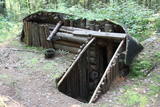 |
National partisans commanded by Rihards Pārups were very active during World War II between Vietalva and Jaunkalsnava. The team was disbanded in 1946. The dugout is at a location that is hard to find and access. It is in the nature reserve of the Veseta Wetlands Swamp. The wood pathway that leads from the East is often hidden by reeds during the summer. During the fierce winter of 2010, the roof of the dugout collapsed, but local enthusiasts plan to reconstruct it. Alongside the dugout is a white cross inscribed with the names of the partisans who lost their lives here.
|
|
 |
Предложение включает конные прогулки верхом и в упряжке на протяжении всего года. Посетители могут поближе познакомиться с животными - козами, овцами, курами, индейками, гусями и утками. Дегустация копченого козьего сыра. Хозяйка делает рождественские украшения из соломки и др. красивые вещи. |
|
 |
Биологическое семейное хозяйство в Вырумаа, расположенное в Национальном парке Хаанья (Haanja rahvuspark). Хозяйство занимается разведением коз и производством козьего сыра. Здесь проводятся дегустации и экскурсии, во время которых Вы сможете увидеть, как молоко, принесенное из хлева, превращается в головку сыра. |
|
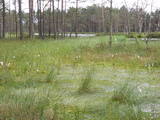 |
This is one of the largest areas of swampland in Latvia, lying between Lake Babīte and Olaine. Most of the area is still made up of peat. Relatively untouched is the northern part of the swamp, where there is a lovely set of swamp lakes, featuring landscapes of moss swamps. The heath is one of the few swamps in Latvia where the western-type and eastern-type swamp coexist. This is an important location for protected birds. A nature trail and viewing tower are to be installed at the heath in the near future.
|
|
 3 дня
|
This programme allows participants to learn about Latvian ethnography and traditions through meeting local craftsmen and having master classes with them in knitting traditional mittens and gloves, making amber jewellery and cooking traditional foods. There is chance to have a unique experience because of the authenticity of some places and traditions, for example the ethnographic house of living history Zvanītāji still retains its original appearance - massive ceilings, large family room with bread oven and natural, unpainted wooden floor. The carew chimney is still in the kitchen. The house is filled with characteristic looms, a family table, beds, wardrobe, cradle, various items and tools used on the farm. |
|


