
| Nr | Name | Beschreibung |
|---|---|---|
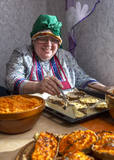 |
A true Latvian landlady, Skaidrīte Nagliņa, will welcome you to this farm and show you how to bake traditional bread. Old recipes and a bread oven heated by firewood will lead to beloved and tasty carrot buns, fresh sourdough bread and “pizza” ὰ la the Suiti. For groups up to 10 people. Please contact the farm in advance of your visit. |
|
 3 Tagen
|
Diese Route führt Sie in die Region Kurzeme, wo Sie traditionelle Speisen der Region kennenlernen. Die Tour beginnt in Riga und bringt Sie in einige der schönsten Naturregionen, in denen Sie wandern können, was wiederum den Appetit anregen wird. Auf dem Dieniņas-Fischerhof können Sie Räucherfisch essen, in Kolka an einem Workshop im Backen von „Sklandrausis“ (eine traditionelle Möhrenpirogge) teilnehmen, im Nationalpark Slītere Fischerdörfer besuchen und in den Gaststätten von Ventspils raffiniert zubereitete Gerichte genießen. Schöne Attraktionen auf dem Weg sind die Ostseesteilküste bei Jūrkalne und das mittelalterliche Städtchen Kuldīga. In einer Wassermühle aus dem 19. Jahrhundert, die heute ein Bio-Bauernhof ist, gibt die Gastgeberin einen Kochkurs in lokaler Küche mit Gerichten aus Damwild, Forelle, Gemüse und Obst. Die letzte Station vor der Rückkehr nach Riga ist das Schokoladenmuseum in Pūre. |
|
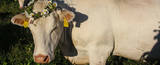 |
„Mieriņi” ir īsta liela lauku saimniecība pļavu meža vidū, kas atrodas pie Latvijas robežas. Tīrajos Latgales laukos tiek audzēti bioloģiski dārzeņi un lopi. Saimnieki dzīvo saskaņā ar dabu un aicina ikvienu savu viesi izjust un izbaudīt apkārtnes skaistumu ar visām maņām: gan garšojot, gan elpojot, gan taustot un klausoties. Visas maņas apvienojot, izdodas dzīvot pa īstam. Miera pilna Latgales ainava ieskauj bioloģisko saimniecību „Mieriņi”. Šī vieta dāvās atpūtu ar jauno lapu žilbinošo zaļumu un skurbinošajām putnu dziesmām pavasarī, ar plašo debess jumu, kas atspoguļojas ūdeņos, un košajām dabas krāsām vasarā, ar dzelteno lapu paklāju rudenī un ziemā – ar silto sniega segu uz karstās pirtiņas jumta. Papildu bioloģiskās gaļas produktiem saimniecība piedāvā arī latviešu gadskārtu svinības, nodarbības dabā, pirts pakalpojumus un telšu vietas. |
|
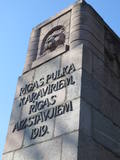 |
Eine mit Kiefern bewachsene Düne, auf der sich ein Denkmal für die Krieger des 6. Rigaer Regiments – Beschützer der Stadt im Jahr 1919 befindet. Hier führten die Krieger des Regiments einen schweren Kampf gegen die zahlenmäßig überlegenen Truppen der Bermondts Armee und setzten die Befreiung von Rīga und Pārdaugava (Stadtteil am linken Ufer der Daugava) fort. Ein zentrales Element des vom Bildhauer Kārļis Zāle errichteten Denkmals (gewendet zur Slokas Straße) ist eine 12 Meter hohe Wand mit der Abbildung des Löwenkopfes unter dem geöffneten Gatter des Rigaer Tors. Seitlich der Wand befinden sich Flachreliefs, die alte lettischen Krieger und lettische Krieger in Uniform von 1919 darstellen. Auf dem Dünengipfel befindet sich einen Platz mit Altar, eine Opferschale und eine Erinnerungstafel mit Namen der gefallenen Krieger. Das Denkmal wurde 1937 vom Präsident der Republik Lettland Kārlis Ulmanis eröffnet. |
|
 |
Die Beerenplantage Sutri befindet sich in der gleichnamigen Gemeinde im Bezirk Livani. Auf dem Hof werden Erdbeeren und Heidelbeeren angebaut, und zwar im Tunnelanbau (unter Folie), weswegen die Reife früher einsetzt als sonst in Lettland. Die Beeren werden sowohl vor Ort als auch auswärts verkauft. |
|
 |
Die größte Bernsteinausstellung im Baltikum (seit 1963) mit Bernsteineinschlüssen. Ist die Bedeutung des Bernsteins in der Geschichte des baltischen Völkern wiedergespiegelt. Das Museum ist in einem dem Grafen Tyszkiewicz (1865 – 1932) gehörteten Schloss (gebaut 1897) eingerichtet. |
|
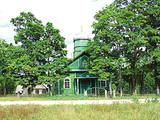 |
Ismeri Old-Believers Prayer House was built in 1912 by the donations of local people. The parish of
Ismeri exists since 1861.
|
|
 |
Das ist eine kurze Strecke im Daugava – Flusstal zwischen Lielvārde und Dzelme mit Inseln und Untiefen im Fluss, sowie mit Schilf und Feuchtwiesen längsseits. Während des Vogelzuges rasten und fressen hier viele Gänse- und Regenpfeifervogelarten. Das Gebiet ist auch ein wichtiger Nistplatz für viele andere Vogelarten.
|
|
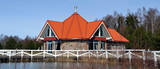 |
Pirts noma, izmitināšana, ēdināšana, banketu zāles noma, internets, makšķerēšana, volejbola laukums. |
|
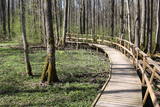 |
The excessively damp forests at this place include the Vēršupīte River bog, and this is one of the most diverse biotopes in Latvia in terms of the number of species that can be found here. The fact that the area is regularly flooded is shown by the fat roots of black alders – indeed, the place looks like a stand of mangroves. The wooden pathway that is the Dumbrāju trail starts at the Forest House for those who wish to examine the bog. The most impressive views are seen during spring floods or rainy seasons at other times of the year. The little river breaks out of its bed and floods a large territory. The Lake Sloka hiking trail is another place where you can study the Vēršupīte bog. The circular trail is 3 km long, and its beginning is at the Lake Sloka bird watching tower. |
|
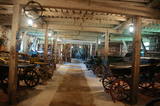 |
Das Museum für Pferdewagen befindet sich im Beigut Pilkuse. Zu den Exponaten gehören Pferdewagen und -schlitten sowie Zubehör (Krummhölzer, Kummet, Schellen, ebenso Schlittendecken und Moorschuhe für Pferde). Hier sind Kriegs-, Nothilfe- und Feuerwehrwagen. Perlen des Museums sind eine Kutsche und eine Kalesche, darüber hinaus gibt es viele Feldgeräte. Es gibt viele sehenswerte und interessante Exponate |
|
 |
Jau no seniem laikiem Cesvainē zinājuši alu, vīnu un brandvīnu. Pirmais krogs minēts jau pirms 1520.gada. Cesvaine var lepoties ar savulaik lielāko un svarīgāko krogu Vidzemē - Šļākas krogu. Barona Vulfa pils pagrabi vienmēr bijuši pilni ar labām vīna, liķiera un brandvīna pudelēm. |
|
 7 Tagen
|
Die Study Tours in zwei geografischen Teilen Lettlands widmen sich dem Roggenbrot - dem Symbol der Letten. Neben den Traditionen des Backens und Essens von Roggenbrot bieten sie auch einen Einblick in den Weg des Roggenkorns von der Geschichte bis in die Gegenwart, sowie Information über die Sehenswürdigkeiten und landwirtschaftliche Betriebe verschiedener Regionen. Diese Studienreise ist für Gruppen und können an jeden Kunden angepasst werden, je nach seinen Bedürfnissen, Interessen und Zeitrahmen. Touren beinhalten: Treffen mit Experten, Besuche, touristische Dienstleistungen - Unterkunft, Verpflegung, Besichtigungen, Busvermietung und Reiseleiter. Die Tour ist in Kooperation mit dem Lettischen Bäckerverband (Latvijas Maiznieku biedrība) entwickelt. |
|
 |
This trail's purpose lies on the fact that herbal therapy is the oldest known system of medicine. Being outside, in fresh air, in nature affects our health positively. While hiking with a phytotherapist you will get to know more about the nature's wild herbs that can help our livelihood and also do some light exercises. If you want, you not can only walk the trail but also relax in a sauna or/and visit a workshop. |
|
 |
Palanga is known to be the biggest by-the-sea resort in Lithuania because of its seacoast's main attractions - dunes and white sand. And because Palanga is a resort there are plenty of cafes, restaurants, bars and more for those who would like to enjoy a meal or a drink, for those who like active sport - there is possibility to cycle, go horseback riding, swim and much more. |
|
 |
Ein einzigartiges Territorium in Lettland, großflächige Laubwälder mit Eichen (viele Ureichen), Linden und Eschen. Führungen mit lokalen Führern und Förstern. Naturschutzgebiet.
|
|
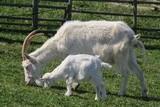 |
Eine Herde mit ungefähr 200 Ziegen. Der Wirt erzählt mit ein wenig Humor über das Leben mit Ziegen in Lettland und in Europa, über Herstellung des Ziegenkäses und über Geschmacksgeheimnisse, sowie bietet eine Käseverkostung an, nach der man Käse kaufen kann. Die auf diesem Hof hergestellten Käse sind nicht nur gesund, sondern auch sehr köstlich. |
|
 |
Das Territorium wurde eingerichtet, um den Sumpf, einen sumpfigen Wald und eine Reihe seltener Vögel zu schützen. Der Sumpf Niedrāji-Pilka kann mit trockenen Füßen durchquert werden, während man die fast unberührte Natur genießt. Das ist vom Damm der Schmalspurbahn, die für drei oder vier Kilometer vom Nordosten zum Südwesten des Sumpfes führt, möglich oder zu Fuß auf dem gut markierten Rundweg auf dem östlichen Teil des Damms.
|
|
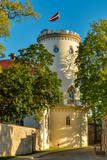 |
Cēsis is in the centre of the Gauja National Park, but it is not part of the park as such. There are many interesting places in Cēsis to visit and examine. The oldest part of the town is of key interest. The origins of Cēsis can be found at Riekstu hill, which is 18 metres high. Between the 11th and 13th century, there was a wooden castle here built by the Vendians. The hill is in the central part of the castle park, and it offers a good view of the park, pond and the ruins of the Cēsis castle, which can be accessed via a long cascade of stairs. The Cēsis castle (see below) was built in the early 13th century as a residence for masters of the Livonian Order, and it was one of the strongest fortresses in the Baltic territories. Alongside it is the New Cēsis castle, which was built in 1777 where the gate fortifications once stood. The Cēsis Museum of History and Art is in the building, alongside which is a visitors centre and the Cēsis Tourism Information Centre. From the tower of the castle, there is a fine view of the castle ruins, St John's Lutheran church and the northern part of the town. Opposite the New Cēsis castle are stables and a wheelhouse (both from the first half of the 19th century). The Cēsis Exhibition Hall is there today. You can look at the exteriors of the granary, the hut for coachmen, and the old brewery. On the other side of the street is the romantic Maija park, which was installed in the 1830s. The park is popular among parents with children, because there is a playground there. From this area, you can walk down some of the old streets of the town – Lielās Katrīnas, Mazās Katrīnas, Mazā Kalēju, Kalēju and Lielā Līvu streets, plus Līvu Square. The wooden buildings along the streets date back to the late 18th and early 19th century. Torņa Street, which weaves its way along the defensive walls of the Medieval castle, offers a look outside the church of a sculpture by Matiass Jansons, "As the Centuries Pass". Legend says that if you rub the lantern carred by the Old Man of Time, you can see the future. One of the most impressive buildings in Cēsis is St John's Lutheran Church, which was built in the late 13th century for the Livonian Order. It is a basilica built in the Roman style and with Gothic elements. The tower, which is 65 m high, was built in 1853. The building was reconstructed several times during the 20th century. Inside the building are grave epitaphs for masters of the Livonian Order and for bishops. The pulpit was installed in 1748, the oak altar followed in 1858, and the altar painting "The Crucified One" dates back to 1862. The stained glass windows around the altar are of great artistic value. The organ was built in 1907 by the E.F. Walker Company, and the instrument is one of the best concert organs in Latvia. A sun clock featuring the year 1744 is at the south-western corner of the church. It is worth climbing the church's tower. At the foot of the building is Rose Square, which began as a market square in the mid-19th century, remained in place until 1927, and was restored in 2008. This is the central square in the town today. During the Medieval Era, there were stockades here, along with the city's well. Rīgas Street has been the main street of the old town from the very beginning, and it is here that you will find the most architecturally outstanding buildings in town from the 18th and 19th centuries. They include the former Cēsis City Hall, the Fābers building, and the Princess building. At one end of the street is Līvu Square, where, during the 13th century, there was a church, a cemetery and a gate in the town walls. Today the square features a lighted fountain which is on the site of a 13th century well known as Lejas Šķimbēgs. At the other end of the street is a reconstruction of the foundations and surface elements of the Rauna gate that was a part of the town walls in the 14th and 15th centuries. The site offers a good idea about Medieval fortifications and the size and mightiness of gates therein. |
|
|
|
Kartavkalnā, kur senāk atradusies seno zemgaļu apmetne, ir izveidota dabas taka ar soliņiem, piknika vietām. Šeit apskatāms arī Jaunpils Kartavu kalns un lapegļu aleja, kā arī iespējams aplūkot, kāda izskatās senlatviešu apmetne ar īstu guļbaļķu sētu.
|
|


