
| No | Name | Description |
|---|---|---|
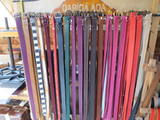 |
This workshop manufactures belts, bags, jewellery (pendants, brooches, bracelets), as well as covers. It offers book binding services and prepares souvenirs. Tours are available for groups of up to 50 people. You can try your own hand at the crafts, taste teas, and cook soups on an open fire. |
|
 4 days
|
Participants in this tour will learn about Latvia’s most modern crop farms that are typical in Zemgale. During the first day, participants will meet with specialists from the Latvian Agriculture Ministry and agricultural NGOs. They will also tour Rīga, which is part of the UNESCO List of World Heritage, and the Rīga Central Market, which is one of the largest closed markets of its type in Europe. Participants will visit a health food store and have dinner to enjoy traditional Latvian foods and beers. The next day we will go to Jelgava, where the 18th-century castle of the Duchy of Courland and Zemgale will host a meeting with faculty members from the Latvian Agricultural University, which is housed in the palace. We will visit a biologic bakery, as well as a farm that engages in crop farming, livestock breeding and manufacturing of biogas. An artificial wetland is used to purify runoff water. Dinner will be served at a modern leisure complex. On the third day, we will visit one of the largest multi-sectoral farms in Zemgale. It specialises in plant farming, livestock breeding, horse breeding, biogas manufacturing and beer brewing. During the afternoon, we will visit the largest and technologically most modern grain farm in the region, after which we will tour the most outstanding castle in the Baltic States – the Rundāle Castle. Built as a summer residence for Duke Ernst Johann Bieron, the castle was designed by the distinguished Italian architect Francesco Bartolomeo Rastrelli. Dinner will be served at a venue that has an historical windmill and an exhibition related to grain farming. On the morning of the fourth day, we will visit a farm that grows grains for seed, and then a biological farm that produces wheat, barley, peas, beans, rapeseed, herbs and herbal teas. Lunch will be served at a farm that will offer dishes made of home-grown grains and rough-milled flour. Then we will return to Rīga. |
|
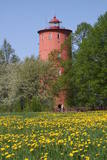 |
is the second oldest navigation structure in Latvia and the only one that is five kilometres from the shore, at the upper edge of the ancient Lake Baltic Ice. Since 2000 the lighthouse has not served its initial purpose, and now it is the home to the Nature Education Centre "Slītere" of the Slītere National Park. The centre offers exhibitions about lighthouses in Latvia and the history of the Baltic Sea. From the upper floor (102 m above sea level) one can see the coast of Saaremaa (approximately 33 km away). Alongside the lighthouse is the 1.2 km Šlītere nature trail. |
|
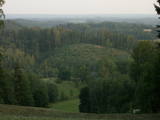 |
From the highest point in the Alūksne highlands, you will see an unusually beautiful view of the surrounding forested hillocks and the small areas of meadows and farmland. Sadly, there are no improvements to the location, which can be difficult to access. It is on private property.
|
|
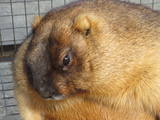 |
A friendly place for families, children and all interested parties. You can go on a tour or individually look at and learn about marmosets. |
|
 |
Metāla tornis Kazari upes kreisajā krastā, ~ 5 km attālumā no Matsalu līča. No torņa redzamās Kazari deltas palieņu pļavas atrodas tikai 0,3 – 1 m augstumā virs jūras līmeņa, tādēļ pavasara palos un stipru vētru (īpaši rietumvēju) laikā ūdens appludina milzīgu teritoriju. Uzskata, ka platības ziņā šīs ir vienas no lielākajām Eiropas palieņu pļavām, kas ir nozīmīga dažādu tārtiņveidīgo putnu sugu ligzdošanas, dzērvju un zosveidīgo putnu atpūtas un barošanās vieta. Ir pagājis laiks, kad zemnieki Matsalu pļavās ganīja govis un pļāva sienu, tādēļ šobrīd pļavu apsaimniekošanu veic nacionālā parka administrācija. |
|
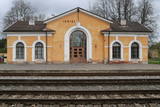 |
Ramocku stacija atklāta 1889. gadā reizē ar dzelzceļa Pleskava-Rīga atklāšanu. 1916.gadā pēc jauna dzelzceļa izbūves līdz Gulbenei, šīs stacijas nozīme ievērojami pieauga. 1918.gadā tā kļuva par divu dažādu sliežu platumu dzelzceļa iecirkņu saskares staciju. Intensīva vilcienu kustība caur šo staciju tika izvērsta Brīvības cīņu laikā. Sadursmes pie Ieriķu stacijas notika jau 1918.gada decembrī. 1919.gadā jūnijā te sākās Cēsu kaujas. Starp Cēsīm un Ieriķiem vācieši uzbruka igauņu bruņuvilcienam. Par dažādiem nopelniem Brīvības cīņu laikā Ieriķu apkaimē, vairāki karavīri saņēma apbalvojumus, arī Lācplēša kara ordeņus.1919. gadā stacija nodēvēta par Ieriķiem. Otrā pasaules kara laikā te atradās lokomotīvju depo.1953.gadā depo vietā izveidoja stratēģiskās rezerves tvaika lokomotīvju bāzi. Pēdējā tvaika lokomotīve L-3599 Ieriķu bāzi pameta 2002.gadā un tagad ir redzama kinopilsētā Cinevilla.Ieriķu stacija vairākkārt pārbūvēta.Otrā pasaules kara laikā nodedzināta pavisam. 1956.gadā uzbūvē pašreizējo ēku. |
|
 11 days
|
The tour begins in Riga with its Art Nouveau district and Old Town. Make your way to Sigulda by train. A hilly road passes Gutmana Cave, Turaida Castle and Krimulda Castle which stand on the hillsides of the Gauja river valley. The road continues to Limbaži, which is a typical Latvian provincial town. Further on you reach the Baltic Sea coast and Salacgriva, which is famous for its fishing traditions and lamprey. Outside Salacgrīva town there are rare coastal meadows and lagoons. After crossing the Latvian-Estonian border point, the road winds through old coastal villages - Ikla, Treimani, Kabli and Häädemeeste before rejoining the Via Baltica. At Pärnu explore Ruutli pedestrian street and the old fortifications. It is time to cross to the islands - the route passes through the small island of Muhu. Visit the local fish cafe at Livi and ethnographic fishermens’ village of Koguva. Then the route leads to Saaremaa island over a causeway. The main sites on the route are 'Valjala maalinn' – one of the most attractive hill forts in Estonia, the Valjala church, and meteorite craters of Kaali. By bus you head to the Estonian capital, Tallinn, charming with its medieval Old Town. From there take a tour of a former Soviet submarine base at Paldiski, a memorable reminder of recent history. |
|
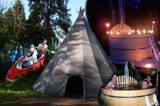 |
The Centre promotes sustainable lifestyle and the great outdoors, there you can plant trees and make and install nest boxes. Canoeing, bog walks, bow and crossbow shooting ranges are available for the more adventurous. There is a log house for functions and accommodation and a sauna with a hot tub. |
|
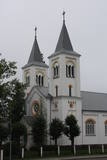 |
The church was built in the Neoromantic style between 1936 and 1939 on the basis of a design by the architect Pavlov. It was consecrated before the completion of construction, this happening in 1937. The church honours the Anguished Mother of God, and the central altar is dedicated to her. Icons in the building date back to the early 20th century, and a statue of the Fatima Mother of God is in the yard near the entrance. |
|
|
|
Guest house “Hilda Villa” is located in Estonia, in Viljandi town center. Guest house has special family room for 4 person and smaller families also. On the first floor there are Hilda's room and the Tenant's room, bathroom, living room, and kitchen. On the second floor there are 3 bedrooms for accommodation, 2 showers, and 2 toilets. |
|
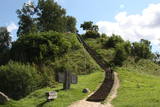 |
Eine der ältesten Ortschaften Litauens. Schon im 14. Jh befand sich hier eine Holzburg. Der 20 m hohe Merķine-Burgberg an der Mündung der Flüsse Merkys und Nemunas. |
|
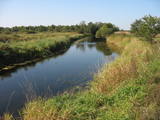 |
Palieņu un mitrās pļavas abos Dubnas upes krastos, kuras nelielā posmā var vērot no Rožupes - Vārkavas ceļa. Piemērotā laikā šeit dzirdēsiet griezes balsi, kas ir Eiropā izzūdoša putnu suga.
|
|
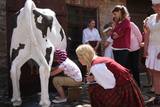 |
The granary and cheese-making building of the former Seiksāte (Berghof) Estate houses a museum that was opened in 1985 and demonstrates the route of milk from the cow to finished dairy products. You can try your hand at milking a cow and churning butter, and then you can taste what you have made. |
|
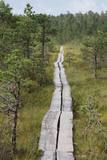 |
Ein 3,5 km langer Pfad quert den Viru Moos in Richtung Süd–Nord. Von einem Holzaussichtsturm eröffnet sich einen Blick auf eine typische Hochmoorlandschaft mit einigen Seen, Aushöhlungen und morastigen Stellen. |
|
 1 day
|
Dodieties ekskursijā, lai gūtu ieskatu lauku profesijā un dzīvesveidā, kā arī iegūtu jaunus iespaidus un labu atpūtu visai klasei. Ekskursijas laikā apmeklējiet cigoriņu kafijas ražotni, kur kafija tiek ražota pēc senām receptēm. Pēc tam dodieties uz piemājas saimniecību, kur saimnieks parādīs govis un piedāvās saldos ķiršus un ābolus no sava dārza. Saukas dabas parka teritorijā, pie Saukas ezera, apmeklējiet lauku māju - kultūrvēsturisko pieminekli, kur, iepriekš piesakot, ir iespējams nobaudīt uz ugunskura vārītu zupu. Visbeidzot - saimniecība, kur plašās teritorijās audzē ābolus, bumbierus, plūmes, ķiršus, zemenes un upenes. Iespēja iegādāties produkciju un piedalīties ražas novākšanā. |
|
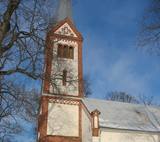 |
The Krimulda Lutheran church is seen as one of the oldest in Latvia. It was built in the early 13th century, soon after the territory of Kubasele was conquered. Over the subsequent centuries, it has been rebuilt many times. Alongside the church is a meditation maze called "Lily Blossom." When the Liv warrior Kaupo fell in battle near Vīlande in 1217, his remains were supposedly interred at the church. Local residents, true, describe a small hillock that is near the church as the grave of Kaupo. The site is located alongside the little Runtiņupīte (Runtiņš) river, on the right bank of which is a manmade cave that is approximately seven metres deep. It is the Kubesele Cave or the Runtiņala Cave. The Kubesele castle hill is on the left bank of the Runtiņupīte. The Kubesele Nature Trail starts at the church. If you hike down the trail, you'll see all of the aforementioned objects and others. The trail leads to the Gauja River where, on the right bank, is the Great (Runtiņš) Rock. Nearby you'll find anchor blocks installed by rafters on the river. |
|
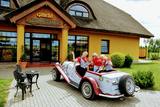 |
Older residents say that the guesthouse is located in the centre of the Domanti village. The guesthouse has four buildings built in accordance with ethnic architectural traditions, including a granary, a sauna and a traditional residence with two ends. |
|
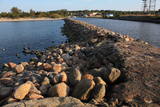 |
Molu (sākotnēji – pāļu rindas ar akmeņu krāvumiem) izbūve pie Sakas ietekas jūrā tika uzsākta 1878. gadā, lai nodrošinātu ostas darbību. 1929. gadā notiek molu pārbūve, pagarinot tos ar masīviem betona blokiem. Pēdējā rekonstrukcija notika 2010. gadā, pārveidojot molus par ērtu pastaigu un makšķerēšanas vietu, no kuras var vērot arī saulrietu. |
|
 |
One of the youngest Latvian towns, in 2013 it will celebrate its twenty year anniversary. A number of significant scientific institutions in a Latvian scale is located in Salaspils (in Soviet times it was built as a science centre) - Institute of Biology, Institute of Inorganic Chemistry, Institute of Physics, National Botanic Gardens, former Salaspils nuclear reactor and the Forest Research Institute "Silava". Over the last decade the infrastructure has been developed, as well as wide areas of private houses are developed. In 1996 a new Catholic church was built in Salaspils. Most of the town residents commute each day to Riga for work. |
|


