
| No | Name | Description |
|---|---|---|
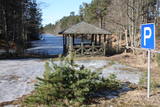 |
The Vecročupe river flows out of the artificial Vaide pond. It was created by blocking the Vaide and the Kukšupe rivers. This happened during the Soviet occupation, when forestry people decided to establish a fishing pond and an area for recreations. A wooden pergola has been installed at the pond, and there is an information stand, as well. On the northern shore of the pond is the Vaide cemetery, which dates back to 1928 and has interesting wooden crosses. |
|
 |
Taarka Tarõ Köögikõnõ is located in the traditional Setos Farm House, and besides the Setos traditional dishes, also offers flavours of other Finno-Ugric nations and Ukraine. |
|
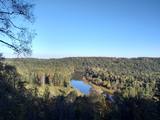 |
On the left bank of the Gauja River, opposite the Piķene cliff is the mighty Beite cliff which is split by a deep ravine. On the left side there is Ķeizarskats (Emperor's View), which is approximately 67 metres above the level of the Gauja and offers a fine view of Krimulda and the Turaida Castle. The viewing place was installed in 1862, when Russian Tsar Alexander II visited Sigulda. On the right side of the ravine is the mighty wooden Ķeizarkrēsls (Emperor's Chair). To get there, you have to cross the ravine (there are wooden stairs and a forest trail). You can go around it on Laurenču, Kalna and Gulbju streets. |
|
 |
The café is in the “Pils” guesthouse, near the Knight Castle Hill and Gunpowder Tower of Kandava. These can be seen from the café’s terrace. Latvian cuisine: Pea soup, homemade dumpling soup, cream of mushroom soup, chilled beet soup, roast pork, homemade steak haché, stuffed flounder, potato pancakes, stacked rye bread. |
|
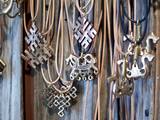 |
The craftsman uses experimental archaeological methods to produce the jewellery of ancient Baltic tribes. He will tell you about their symbolism, meaning and wearing traditions. You can tour the workshop and purchase jewellery that has been made there. |
|
 |
The LIELKALNI farm planted two hectares of uncommon berries four years ago – golden currants, viburnum, large-fruit hazel trees, sea buckthorn, the black elder, five-flavour berries, the Chinese gooseberry, edible honey-suckle, etc. The farm has been biologically certified since 2008. In 2009 it received certification from the Latvian Food and Veterinary Service for the production of health-boosting syrups, jellies, jams and teas. Tourists can taste the teas, seasonal berries, syrups, jellies and other treats, all of which are also available for sale.
|
|
 |
The complex is on the northern shore of Latvia’s second-largest lake, Lake Rāzna. The windows of the “Kastānis” café offer a view of one of the loveliest lakes in the country. |
|
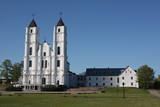 |
This is the centre for Catholicism in Latvia and a destination for pilgrims from all around the world. Its origins date back to 1699, when the Dominican Order established a cloister. One year later, it built the first wooden church. The brick Church of St Dominic and the buildings of the cloister were erected between 1768 and 1800. The Baroque church is distinguished by two towers that are 60 metres high. The pulpit, organ prospectus, organ, prayer bench and pews come from the 18th century, while the side altars date back to the early 19th century. The central altar includes the painting “The Miraculous Mother of God of Aglona,” which is thought to have healing properties. For that reason, it is unveiled only during important events. In advance of a visit to Latvia by Pope John Paul II in 1993, the complex underwent major rebuilding and restoration. On August 15 each year, hundreds and thousands of pilgrims arrive in Aglona to celebrate the assumption of the Virgin Mary. The holy stream of Aglona is 100 metres to the East of the basilica. |
|
 7 days
|
This study tour is designed to show Latvia's rye traditions as their central focus. This tour has been developed in cooperation with the Latvian Bakers’ Association. Rye is both the basis of the Latvian diet and a powerful symbol of Latvia's culture and culinary traditions. Itinerary emphasize traditional rye bread-baking and eating, as well as insights into the history of the rye grain from Latvia's earliest archaeological record to the present day. Itinerary include visits to working farms, grain mills and culturally and historically important locations. This study tour is designed for groups and may be adapted to the needs, interests and timeframe of each client. Tour cost includes meetings with experts, site visits and admissions, accommodations, specified meals, sightseeing, transportation within Latvia and guides-interpreters. |
|
 8 days
|
This trip will allow you to see seaside landscapes, learn interesting facts about the ancient process of fishing, and enjoy traditional seafood dishes. Your first stop after leaving Rīga will be Ragaciems, where you will find a popular fish market that always offers a wide range of smoked fish from the sea. On the shores of the sea, you can look at a restored fishing boat pier and huts for nets. Further along, groups of 15 people or more can enjoy the "Fisherman's Banquet" programme in Roja. There you will hear stories about the lives, songs, dances and games of fishermen and, of course, enjoy an elegant banquet. Next you will visit Cape Kolka and the Slītere National Park, where men still go fishing in the sea. The aroma of smokehouses will be evident. Travellers can purchase freshly smoked fish there. Along the way to Ventspils, it is worth stopping at the Irbene radio telescope, which has a military history, but is used for scientific purposes today. Next you will drive toward Liepāja and stop at the charming town of Pāvilosta, which is popular among surfers, as well as the steep shores of Jūrkalne, where you will be able to taste fresh baked bread that has been kneaded by hand at a farm. Then you will get to Liepāja, which is the birthplace of Kristaps Porziņģis, a basketball player who plays for the New York Knicks in the NBA. A special treat in Liepāja ir smoked cod with potatoes and sweet cream. You can visit a windmill that was built in 1885 and is still operational, as well as the Pape Nature Park and the ethnographic Ķoņi village. Once you get to Lithuania, you will spend a day at the popular seaside sea town Palanga, and then continue the route to Cape Vente and the Rusne Island, both of which are famous because of fishing and fish smoking traditions. Visit the village of Minija, which is known as the "Venice of Lithuania." Finally, visit the Kurši dunes, the Sea Museum and dolphinarium, as well as the port city of Klaipeda. |
|
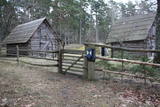 |
Approximately 200 metres to the North-East from the Liv People's Centre, along the Mazirbe-Košrags road, there is the Seppes homestead. The little log granary was built in the 1920s and 1930s by an Estonian fisherman and builder who arrived in Mazirbe from Saaremaa. He was called Jēkabs Jaga. On the other side of the road is the Kalši home, which was built in the early 20th century. It has been restored, but the bricks that were made in a local kiln were preserved for its walls. |
|
 |
The café is on the edge of the Jēkabpils-Rēzekne road (A12) in a lovely location by a pond where guests can fish for perch, pike, tench and carp. Eastern cuisine and fish dishes are offered. |
|
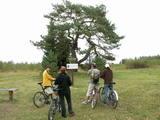 |
This tree, too, was supposedly planted by the king of Sweden – and upside down, no less.
|
|
 |
A farm engaged in the cultivation and processing of large cranberries. Offers berries, cranberry juice, syrup. On Fridays at Dundaga market from From 7:00 to 11:00 it is also possible to buy products. |
|
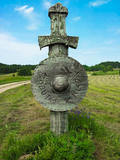 |
Embūtes dabas parks, saukts par Embūtes senleju, ir viena no skaistākajām, interesantākajām un noslēpumainākajām Kurzemes vietām. Nav Latvijā otras tādas vietas, kur ieejas vārtus dabas parka teritorijā simbolizē stilizēti zobeni ar vairogiem ceļa abās pusēs, radot mītisku un cienījamu noskaņu. Par Embūtes apkārtnes vēsturi stāsta daudzas teikas un leģendas. Viena no pazīstamākajām ir romantiskā teika par kuršu vadoņa Induļa un vācu komtura meitas Ārijas mīlestību. Vietā, kur viņi pirmoreiz tikušies joprojām atrodas Ārijas un Induļa ozoli. Embūtes dabā parkā ieteicams apskatīt - ekotūrisma taku, Embūtes viduslaiku pilsdrupas, Embūtes luterāņu baznīcas mūrus, Induļa pilskalnu, Pilskalna avotiņu, Induļa un Ārijas ozolu. Dabas parks aprīkots ar labiekārtotu pastaigu taku, skatu platformām, skatu torni, labierīcībām un atpūtas vietu. |
|
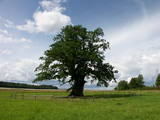 |
This is the second thickest tree in Latvia and the Baltic States. There is a large and open hole in the trunk of the tree. Like most trees of its size, it has suffered lightning damage. The tree is a wonderful part of the landscape, and a little wooden fence has been put up around it.
|
|
 |
Oldest (building started in 1227) stone church in Estonia. Unique christening stone in the Baltic States. Old painting on the walls. |
|
 |
The farm makes goat’s milk cheese and other goat’s milk products. Goats, sheep, rabbits and domestic birds are bred here. You can purchase products by ordering in advance, excursions on the farm are organised during summer. |
|
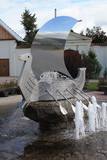 |
Arī 18. novembra laukums. Tas sācis veidoties 18. gadsimtā kā tirgus laukums. Tā dominantes bija 1752. g. celtais rātsnams (nav saglabājies) un aptieka, kas šajā ēkā darbojas no 1810. g. līdz pat mūsdienām. 2010. gadā laukumā izveidota strūklaka, kam ir pilsētas ģerboņa forma. |
|
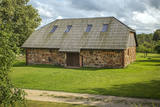 |
One of the 15 semi-estates of the former Dundaga Castle, Vecmuiža, has a private collection of historical materials. |
|


