
| No | Name | Description |
|---|---|---|
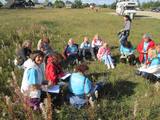 |
The owner will tell you about wild plants and help you to cook tasty meals with them. You will receive valuable advice about how to use these gifts from nature for nutritional purposes and to improve your health. |
|
 |
Iespēja atpūsties un relaksēties pirtiņā, baudot latviskos pirts rituālus. Sildīšanās un pēršanās ar pirtsslotām, augu skrubji un maskas, kāju vanniņas un zāļu tējas. Pēc pēriena – veldze dīķī. Pirts tā ir svētnīca miesai, garam un dvēselei. Piedāvājumā arī izglītojošā programma par augu spēku un to izmantošanu savai labsajūtai. Apmeklējums noteikti iepriekš jāpiesaka! Vietu skaits ierobežots! |
|
 |
Kafejnīca "Dižjūra" atrodas Mazirbē, Lībiešu tautas namā. Atvērta vasaras sezonā. |
|
 |
Kaļķis is a populated area where
dolomite is still extracted from quarries in
the region (Kalnciems2 is one such
quarry). Some of the quarries are flooded.
|
|
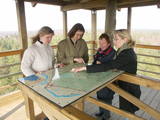 |
Ložmetējkalns Hill is one of the highest locations at the Long Dune. There is a monument to heroic Latvian riflemen who suffered great losses here during the Christmas battles of late 1916. There is a great view of forests all the way to Jūrmala, as well as of the Maztīrelis swamp, where the embankment of the former narrow-gauge railroad is very evident. This is part of a memorial park to commemorate the Christmas battles. You can visit the Mangaļi museum, the restored “German Rampart,” monuments and other objects.
|
|
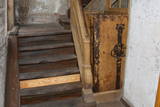 |
Находится на ул. Базницас, д. 17. Здание построено в XVII веке, как жилой дом кулдигского бургомистра. В 1701 году здесь гостил король Швеции Карл XII, который в передней оставил огромный сундук (2 х 2,5 м), на который после реставрации можно взглянуть и сегодня. |
|
 |
Das Gedenkzeichen in Ošvalki, das den lettischen Flüchtlingen (1944 – 1945) gewidmet ist, die über die Ostsee in Fischerbooten nach Schweden geflüchtet sind. |
|
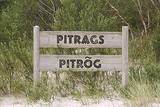 |
was first recorded in documents in 1582. The shallow water around the village contains many sunken ships. In 1826, Pitrags had 11 farms and 190 residents. A saloon was opened in the mid-19th century. In 1937, the village had 12 old farms and 38 fishing operations (mostly new farms). There were several fish processing plants in the village. One of the local residents was the distinguished Livonian language storyteller Marija Šaltjāre (Bertholde, 1860-1930). She shared more than 200 fairy tales and legends, more than 90 songs and games, etc. The Pitrags Baptist Prayer House was built in 1902. It was burned down during World War I, rebuilt in 1925, and renovated in the late 20th century. The Krogi homestead in the centre of Pitrags has a collection of 27 old types of Livonian coastline fencing. The owner also offers a chance to help with the smoking of fish and then to taste the resulting product. |
|
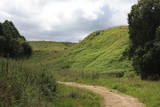 |
Found on the right bank of the Daugava, approximately half a kilometre upriver from the Skrīveri Agricultural Institute, the hill is in a place where the bank of the Daugava River Valley is split by the deep Ašķere stream valley. The castle hill was occupied beginning in the first millennium BC, with antiquities from the Lettigalian and Livonian tribes found there. During the 13th century, a brick castle was built on the hill, but it was sacked during the 17th century. Nothing remains of the castle. The castle hill is also known as Raven Hills, and it offers one of the most beautiful views of the central part of the Daugava. In the direction of Rīga, there is a field with a white cross that represents an ancient church. There is a hiking trail along the Ašķere stream. The area is well improved with four trails. The longest is the Daugava trail (10 km). |
|
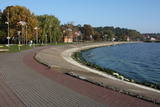 |
The most populated place in The Curonian Spit - old curonian village - Nida. Until 19th century Nida's citizens were mainly fishermen. Later it became a popular resort. Like other villages here Nida has been "moved" because of "wandering dunes". There are a lot of museums to see. During tourism season there is around ~ 200 000 – 300 000 tourists here.
|
|
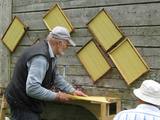 |
This farm offers tours, seminars and training for beekeepers. You can visit the bees, help to grow queen bees, produce honey and candles, and taste some of the good things that come from beehives. This educational facility will inform you about beekeeping traditions and allow you to work as a beekeeper. The owners share their knowledge during training sessions. |
|
 |
The "Magdalena" café is in the centre of Saldus. Latvian cuisine: Sauerkraut, dumpling, beet, sorrel and cold kefir soup, potato pancakes, crepes, sautéed pork ribs, homemade steak haché, farmers’ treats, oatmeal cream, stacked oatmeal or rye bread. |
|
 |
Kazas piena produkti, ēdieni no kazas izcelsmes produktiem, izglītošanās programmas. |
|
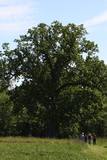 |
The tree is on the side of a hillock, and its visible roots are unusually huge.
|
|
 |
The restaurant is situated on the premises of the hotel Kolonna Hotel Rezekne, which is situated in the very centre of Rezekne city, on the bank of the Rezekne River. The restaurant has an attractive interior design. A summer terrace offers a view of the promenade along the Rēzekne River. Guests are offered ancient Lettigalian dishes made from local ingredients. |
|
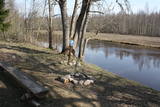 |
~ 3 – 5 km gara taka, kas ved pa veco ceļu gar Tēramā upes (Tõramaa jõgi) kreiso krastu. Takas malās izvietoti interaktīvi elementi bērniem, kas palīdz labāk uztvert dabā notiekošo. Taku ieskauj mitrie meži un palieņu pļavas, kas palu laikā atrodas zem ūdens. Tēramā (Tõramaa) ciemā apkārtnē atrastas cilvēka darbības pēdas jau no akmens laikmeta. |
|
|
|
Eine der malerischischen Burgberge am Fluss Nemunas mit schöner Sicht aufs Flusstal. In 13 – 14 Jh. befand sich hier eine militäre Festung, die nicht erhalten ist. |
|
 |
Café Roomassaare is located near Kuressaare, providing a picturesque view of the Roomassaare yacht pier. In the summer season, the café mostly prepares dishes from local products, offering both locals and tourists a simple and clean combination of local flavours. A lot of fish as well! |
|
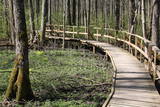 |
Uz pāļiem veidotā koku laipu taka līkumo cauri Vēršupītes dumbrājiem (pārmitri platlapju meži), tādēļ visiespaidīgākie skati šeit ir vērojami tieši pavasara palos vai citos gadalaikos pēc lielām lietavām, kad mazā upīte iziet no krastiem un appludina dumbrājus lielākā platībā. Par teritorijas sezonālu applūšanu liecina arī daudzo alkšņu resnie sakņu kakli, kas nevilšus atgādina mangrovju audzes. Mitrie meži ir viens no sugu skaita ziņā daudzveidīgākajiem Latvijas biotopiem.
|
|
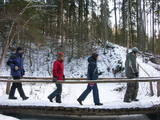 |
The beginning of this circular trail can be found at the Krimulda church – the oldest in Latvia. In one direction, the tourist will pass along the banks of the little Runtiņupīte river (Runtiņš) to the place where it flows into the Gauja river. Among the points of interest along the way are the parsonage of the church, the Kubesele castle hill, a memorial to the Livonian chieftain Kaupo, the Kubesele cave, the Saulstari rock, the “Great Rock”, ancient anchor blocks, ancient graveyards, a unique labyrinth, etc.
|
|


