
| No | Name | Description |
|---|---|---|
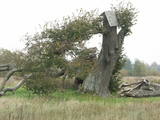 |
Before a great storm in 2005, this was one of the tallest and most noble lime trees in Latvia. Now only one branch is still alive.
|
|
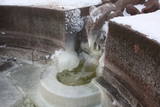 |
Built in the turn of the19th to 20th century. Next to it-on the right bank of the river Vēršupīte, there is located one of the most popular Latvian sulphur water springs, called "Small lizard". The spring runs out from a stone-designed lizard sculptured in 1949 (Sculptor J. Bajārs). Its water is healthy for using both internally and externally. Not far from the pavilion there can be found Jānis Lībietis alley sign. J. Lībietis worked in the position of a director for the sulphur water spring authority of Kemeri from 1928 to 1944. |
|
 |
This is a farm where there are some 10 different kinds of strawberries on many hectares of land. Anita Rescenko offers a six-day strawberry cure to improve your health. Pick and taste strawberries, purchase them fresh and clean. There are strawberry masks, dishes prepared with strawberries, clay masks and compresses against joint pains. Visitors can learn flower arranging, boat around the local lake, etc.
|
|
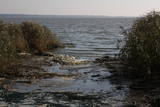 |
Das beinah 100 km langes und bis zu 36 km breites aus dem Süßwasser bestehende Haff, das im Norden mit der Ostsee verbunden ist. Das Haff trennt vom Merr die eindrucksvolle Kurische Nehrung. Ins Kurische Haff mündet der größte Fluss Litauens Nemunas ein. |
|
 |
This is a site where you can try out ancient weapons – bows and crossbows (a reproduction of items from the 14th and 15th century), throwing an axe (replicas of German axes from the 13th century), and spears. Once you’ve learned how to handle those weapons, you can also forge a copy of a Medieval coin. You can try on copies of armoured caps and gloves and have your picture taken with a sword or battle axe. For larger groups, the enterprise will organise ancient sports and table games.
|
|
|
|
An afforested island in the Gulf of Finland, approximately 14 km to the North of Tallinn. There is a network of small roads and trails on the island. Forests: Mostly 1.1, 1.2 and 4.2. Information: www.aegna.ee. A ferry boat to the island departs from the port at Pirita. Hike around the shore of the island, where you will find all kinds of environments – dunes, sandy areas, rocky areas and places with lots of reeds (~9 km). |
|
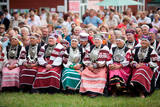 |
Setomaa in South-East Estonia is a unique area for its people (the Seto) and culture. The historic location in the borderland between East and West, straddling two languages and cultures has shaped the local language, life style, clothes and food. A very specific type of singing – leelo – is incorporated in the UNESCO list of Masterpieces of the Oral and Intangible Heritage of Humanity. |
|
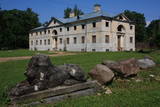 |
Muiža sāka veidoties 16. gs. beigās (īpašnieki - Tīzenhauzeni, vēlāk Bēri), bet no 1753. g. tā kļūst par Mēdemu dzimtas īpašumu. Tagad redzamo muižas pili (mūsdienās tikai atliekas) cēla 1806. - 1810. g. klasicisma stilā (Johana Georga Ādama Berlica projekts) pēc itāļu izcelsmes Pēterburgas galma arhitekta Džakomo Kvarengi meta. Muižas īpašnieks tajā laikā bija Johana Frīdriha Mēdema dēls - Kristofs Johans Frīdrihs (saukts par Žanno). Elejas pilī bija savākti daudzi nozīmīgi Eiropas mākslinieku darbi, kā arī iekārtots izcils interjers. 18 muižas kompleksa ēkas nodedzināja Pirmā pasaules kara laikā (1915. g.) un līdz mūsdienām ir saglabājušies tikai nelieli pils pirmā stāva drupu fragmenti ar kaltiem portika kolonu kapiteļiem, pārvaldnieka māja (apskatāma no ārpuses), atsevišķas saimniecības ēkas un parks. No pils drupām pa aleju var aiziet līdz Tējas namiņam (bēdīgā stāvoklī). 0,5 km ziemeļos no pils drupām atrodas 1912. g. izveidotā Mēdemu dzimtas kapsēta. Elejas pils mūra žoga arkādē iemūrēts dobumakmens. |
|
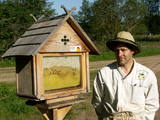 |
The name of the location translates to “Honey Castle,” and the owner has some 300 hives of bees. Honey that he has produced has won a number of prizes. He offers hogweed honey, honeyed local berries, and honey straws for children (the only place in Latvia where these are offered). You can tour the farm, taste ten types of honey, and purchase beekeeping products. “Extreme Beekeeping” is a process which will allow you to put on a beekeeper’s suit to learn about the hard-working insects up close. The owner also produces wax candles. |
|
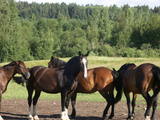 |
The farm has a herd of horses and buys horses which confirm to historical demands related to breeds of animals. You can learn to ride a horse in the company of an instructor and in a limited area. During the summer, there are cart rides, while in the winter there are sleigh rides. The horses are also used for weddings and other ceremonies. |
|
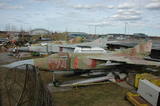 |
The largest collection in Europe of Soviet aviation and military equipment is on the territory of the Rīga International Airport and is open to visitors. The collection was assembled over the course of 40 years.
|
|
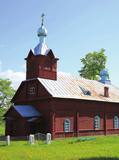 |
Tiskādi Old-Believers Prayer House was built in 1886 and reconstructed
in 1905. The large church was sanctified 100 years ago. It is situated in the district which is mostly populated by Old Believers. The church stands on the hill.
|
|
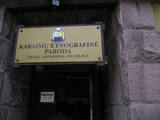 |
Karaims are a small nation of Turkish decent who practise The Karaim religion which started developing around 8th century in Persia. Their language is still used in modern-day Lithuania. In the museum there are rooms not only dedicated to Lithuanian Karaite communities but also Poland's and Ukraine's. |
|
 |
The farm is on the banks of the Daugava River and grows various berries, apples and pears. You can taste the fruit and berries in the garden and by products, as well. |
|
 |
The "Jumis" café is on the side of the Rīga-Liepāja highway (A9). The interior is finished in wood. Latvian cuisine: Cottage cheese with herring and soured cream, farmer’s breakfast, mushroom soup, pork cooked in onions, sautéed liver, homemade steak haché, grilled pork ribs, potato pancakes, stuffed pancakes. Special foods: The “Jumis” pot of ham. |
|
 |
Atrodas blakus Kalnamuižas baznīcai. Dienvidos no tās redzama grāfa Pālena kapliča, uz kuras salasāms vecs uzraksts krievu drukā “Savu mieru dodu jums”. Šajos kapos atdusas daudzi ievērojami cilvēki – mikrobiologs Kristaps Helmanis, A. Brigaderes tēvs, Tērvetes ainavu parka veidotājs Miķelis Kļaviņš u.c. |
|
 |
Die im 19. Jh. gebauten Mühlen sind vollständig renoviert. Eine Erzählung über ihre Geschichte und einem originalen Arbeitsmechanismus. |
|
 |
The Ķemeri school was built in 1934 (architect
Kārlis Cināts). It is one of the few school buildings in
Latvia to have preserved an historically valuable interior
and exterior, including allegorical images on the façade.
|
|
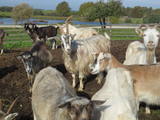 |
The pride of the farm is a herd of approximately 100 goats, and the owner produces milk, cheese, cottage cheese and yogurt from goat milk. You can go on a tour, visit the animals, and taste and purchase biologically produced and healthy products. You can go fishing in the nearby pond and then grill your catch. |
|
 |
The bistro is 130 m from the Bērzkrogs crossing (opposite the Statoil petrol station). It works with local producers of ingredients that can be tasted or bought at the bistro. Souvenirs are also available. Latvian cuisine: Grey peas with bacon, grit porridge. |
|


