
| No | Name | Description |
|---|---|---|
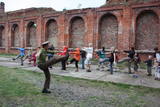 |
An impressive set of military structures between the Baltic Sea and Lake Liepāja and Lake Tosmare. Construction of the fortress began in the late 19th century on the basis of a decree by Russian Tsar Alexander III, and it cost 45 million gold roubles. The fortress includes accommodations and elements of fortifications – sites for cannons, trenches, gunpowder cellars, systems of canals, a narrow-gauge rail line, etc. In 1908, the fortress was shut down because of a change in Russia’s defence concept, and the construction of it was declared to have been a strategic mistake. There were attempts to blow up the underground structures and cellars during World War I, but that did not really succeed. Some elements of the fortress were of great importance in Latvia’s liberation battles. Surviving today are the Northern forts, the Central fort, the Eastern fort, the Southern fort, the shoreline defensive batteries (No. 23, 3), Redāns, Lunete, and others. Most are not improved, so visits may be dangerous. The northern part of the fortress includes the Military Port, which has experienced seven different armies and regimes. During the Soviet years, it was closed to civilians. There are many outstanding monuments to military history. Tourists love the Karosta prison, which offers educational programmes. |
|
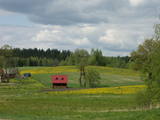 |
Samērā liela teritorija ar mozaīkveida ainavu - mežiem, atklātām ainavām un ezeriem (Salmejs, Kaučers, Stupānu ezers, Limanu ezers u.c.), kas atrodas Latgales augstienes Feimaņu pauguraines rietumdaļā. Aizsargājamo ainavu apvidus veidots šejienes dabas un kultūrainavas (apdzīvotās vietas, Tišas vecticībnieku lūgšanas nams, krucifiksi) un daudzveidīgo biotopu (t.sk. - sugu) aizsardzībai. Apvidū atrodas arī samērā populārs tūrisma objekts - Šnepstu pilskalns.
|
|
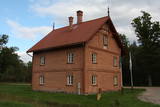 |
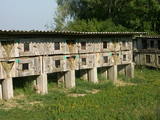
Vijciema čiekurkalte ir viena no retajām vēsturiskajām čiekurkaltēm Eiropā, kas celta 19. gadsimtā, un ir ne vien teicami saglabājusies līdz mūsdienām, bet arī, izmantojot vairāk nekā 100 gadus senas iekārtas, čiekurkaltē arvien tiek žāvēti čiekuri, lai iegūtu augstas kvalitātes meža sēklas. Pateicoties ēkas bagātajai vēsturei un senajām čiekuru žāvēšanas tradīcijām, Vijciema čiekurkalte ir iecienīts tūristu objekts, kas piesaista vēstures, dabas un tehnoloģiju interesentus. Vijciema čiekurkaltes apmeklētājiem ir iespēja doties izzinošā ekskursijā gan individuāli, gan grupās. Ekskursijas laikā ir iespēja atklāt čiekurkaltes vēsturi, skatīt čiekuru apstrādes cikla demonstrāciju, kā arī uzzināt, kur, kā un kāpēc čiekuri tiek lasīti. Ekskursijas un individuālos apmeklējumus iepriekš jāpiesaka, zvanot 26478620. Cena
|
|
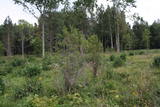 |
One of few places in Latvia (around 1 km to the North from Lapmezciems) where used to be beautiful juniper meadows. Since no agriculture activity (grass cutting, cattle grazing) has been implemented in the area, juniper meadows are overgrowing and disappearing. To save the area sustainable management is needed. Slitere National Park with Blue Mountain cliff and Slitere lighthouse is located in short distance from Kadiku nora (Juniper meadow).
|
|
 |
It is possible to look at African ostriches of different ages; to listen to stories about or of ostriches. It is possible to buy crafts made of ostrich feathers, skin and grease, fresh ostrich eggs. |
|
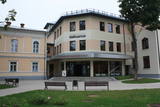 |
The current exhibition is in a building that used to house the Latgale Central Museum, and it speaks to the 700 years of the history of Rēzekne. It features typical ceramics and other artworks from Latgale. A separate exposition, “A Miracle Created by the Transformation of Clay and Fire,” speaks to the history of ceramics, and the museum also features pottery workshops where people can watch experts using ancient traditions to create new forms of pottery. Outside of the museum is a monument to the distinguished Lettigalian poet Antons Kūkojs (1940-2007). |
|
 |
The farm specializes on growing and reprocessing cranberries and blueberries. They offer tastings of the products and purchasing those in a small local shop, as well as a 2-hour-long excursion around the farm. |
|
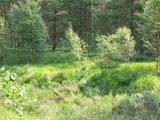 |
The word grīnis in Latvian refers to a very unusual type of forest – pine trees growing on sandy soil. There are two types of this environment – the heather type and the grass type. This is the result of long-lasting interaction between nature and humankind, and such sites are found in just a few places along the shores of the Baltic Sea in Latvia. A very rare plant which grows in the area – cross-leaved heath – was the main reason why a nature reserve was established here in 1936. An abandoned former rail line between Ventspils and Liepāja crosses the reserve from the North to the South. Visits to the reserve are strictly prohibited. |
|
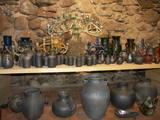 |
You can visit the workshop, watch the craftsman at work, try your own hand at the process, and purchase clay objects, including garden ceramics. There is also a lovely garden to view. |
|
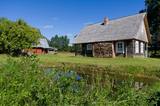 |
Dabas un meža ieskauta lauku māja ar 4 h lielu teritoriju atpūtai laukos. Caur pagalmu tek upīte Nova. 3 km attālumā atrodas Novaraisčio ornitoloģiskajā rezervātā. Rezervāta mitrājos dzīvo simtiem dzērvju. Ik rītu tās lido virs mājas un vakarā kliegdamas atgriežas. Plaša zaļā zona piemērota dažādu pasākumu rīkošanai. Iespējama nakšņošana teltīs. Īpaši gaidītas ģimeneS, kas novērtē senās lietuviešu tradīcijas. |
|
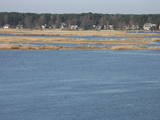 |
The restricted area protects the seashore meadows of the Lielupe River estuary, which are a very uncommon habitat in Latvia. The restricted area is on the left bank of the river, where one of the largest areas of wild swamp angelica is found. This is an important nesting area for birds. The territory is not improved for tourism, and it should be viewed from the Baltā (White) dune that is on the opposite bank of the Lielupe River. From there, the visitor will see a lovely landscape featuring the river estuary and the meadows which are around it.
|
|
 |
„Zaļmuiža” (Green Manor) is notable because of its legendary past. The protector of peasants and poet Peter
Miglinīks (1850 – 1883) worked there as a clerk in the beginning of the 19th century. In 1784, the building belonged
to Frederick von Korf. The manor was bought by officer of Russian army Nikolaj Paulin von Rosenschild. Once
the manor had a large farm (800 ha): several cattle-sheds, fruit and wine cellars, alcohol brewery. Now there in
only a manor house and a barn. Till 1960s, the manor house was the centre of kolkhoz „Liesma”, later the club.
Now there is a smithy of a craftsman Jānis Ļubka. Guests are welcome to watch and try the metal processing.
|
|
 16 days
|
This tour is a road trip from Rīga to Vilnius, stopping along the road to hike on nature trails of the Baltic Coastal Hiking Route. In Latvia the route mainly follows the Baltic Coastal Hiking Route/ the Baltic coast, continuing along the coast and the Curonian Spit in Lithuania. Further, the route includes some smaller sections of the Forest Trail in Lithuania leading to Druskininkai and near the Lithuanian/Polish border. This tour will suit travellers who are ready to indulge in some nature trails and have a peek in urban landscapes, but who are not prepared for longer distances with backpacks, tenting and similar. A car will take you from one short hike to the next. Another transfer is planned from the island of Rusnė to the Dubysa valley, thus linking the Lithuanian sections of the Baltic Coastal Hiking Route and the Forest Trail. The tour includes Latvian and Lithuanian nature’s jewels – the national parks of Ķemeri and Slītere, Cape Kolka, Pape Nature Park, the Curonian Spit, the island of Rusnė, the river Nemunas, the Dubysa river valley regional park with its rolling terrain, the most forested and secluded area of Lithuania – the Dzūkija National Park. Besides the capital cities of both countries, the route will take you to other major cities – Ventspils, Liepāja, the popular resort town of the Curonian Spit – Nida, as well as historical bathing resorts: Ķemeri, Birštonas and Druskininkai. You will also see the city of Kaunas and the beautiful riverscapes of the river Nemunas. |
|
 |
This guesthouse offers country tourism services and is in a lovely part of Žemaitija next to the little Virvīte River. Guests can enjoy swimming, kayaking, biking, fishing in the ancient river, and tours of historical locations in the region. The guesthouse also has a museum of antique motorcycles. |
|
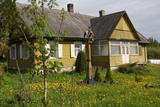 |
Kretoņu (Kretuonas) ezera dienvidu krastā (ezeru gan neredz aizauguma dēļ) meklējams Kretoņu ciems. Šķiet, ka šī vieta ir „aizķērusies" pagātnē. Cauri ciemam iet viena iela, kurai abās pusēs izvietojušās 19. – 20. gs. mijā (dažas pat mazliet agrāk – 19. gs. vidū) celtās saimniecības. Te redzamas gan dzīvojamās, gan saimniecības ēkas, kuras rada etnogrāfiska brīvdabas muzeja sajūtu. Dažas no tām gan ir „padevušās" laika zobam. Lai vai kā, šis ir viens no neparastākajiem nacionālā parka etnogrāfiskajiem ciemiem, kuru pa „galveno ielu" vērts izstaigāt visā garumā. Šim, tāpat kā pārējiem etnogrāfiskajiem ciemiem ir piešķirts kultūras mantojuma objekta statuss. |
|
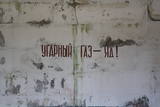 |
The Staldzene Zenith Missile Brigade used a large territory and a number of major buildings. Some of these are now privately owned, and a fish smoking facility has been installed at one of them.
|
|
 |
The cafe is situated in the shopping centre Sala in Jekabpils, on the right back of the river Daugava. The cafe’s premises are comfortable and decorated with fresh flowers. It is a place where you can have either breakfast, dinner or supper. Working hours: 9.00 - 20.00 |
|
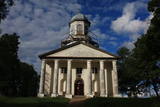 |
Tagadējais dievnams (iepriekšējie celti 1652. un 1776. g.) būvēts laikā no 1839. - 1842. g. Vidzemē pazīstamā lībiešu būvmeistara Mārča Sāruma (1799. –1859.) vadībā. Par prototipu tam izmantoja Pievolgas vācu koloniju baznīcu veidolu. Dievnama altārī atrodas Pītera Paula Rubensa gleznas “Kristus pie krusta” kopija (oriģināls – Minhenē), ko 1887. g. baznīcai uzdāvināja Nēķena muižas īpašniece. Baznīcas remonta laikā (1928. g.) atklāja piemiņas plāksnes 1. pasaules karā un Latvijas Brīvības cīņās kritušajiem. Blakus baznīcas atrodas viduslaiku kapsēta. Celtnes autors un būvdarbu virsuzraugs - H. fon Hagemeistars esot teicis, ka šis dievnams esot „vienīgā baznīca visā Vidzemē un varbūt arī pasaulē, kas uzcelta bez apreibināšanās”. |
|
 |
This is a farm of pedigree rabbits (11 breeds, ~200 rabbits). You can go on a tour of the farm and receive consultations on the breeding and selection of rabbits. You can also buy pedigreed rabbits for yourself. |
|
 3 days
|
This tour will take you on a walk through the Curonian Spit from Nida to Smiltynė. The Curonian Spit National Park is located on a long, sand-dune spit that separates the Curonian Lagoon from the Baltic Sea coast. A sand beach of ~50 km is running on the western side of the dune spit, while the shore of the Curonian Lagoon is shallow and characteristic of ridged bays overgrown with reeds. The Baltic Coastal Hiking Route starts in the centre of Nida near the port. In Nida, it runs along the Curonian Lagoon promenade, offering beautiful views of the spacious waters. From Nida to Bulvikio Cape, the Baltic Coastal Hiking Route winds along small forest paths leading up and down pine-covered dunes; in the village of Preila, the trail runs along the promenade of the lagoon. Between Pervalka and Juodkrantė, the Baltic Coastal Hiking Route leads along a beautiful, sandy beach. You can take the Raganų kalnas (Hill of Witches) trail in Juodkrantė. The route alternates between the Baltic Sea coast, the dunes and the Curonian Lagoon until it finally reaches the ferry, which will take you to Klaipėda. |
|


