
| Nr | Nosaukums | Apraksts |
|---|---|---|
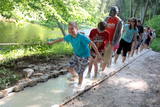 |
Baltijas valstīs pirmā izveidotā baskāju taka atpūtas kompleksā „Valguma pasaule”, kas atrodas mežiem klātajos Valguma ezera krastos. Ejot taku, kājas „masē” smiltis, šķelda, māli, kūdra, grants, čiekuri un dažādi citi materiāli. |
|
 |
Kartavkalnā, kur senāk atradusies seno zemgaļu apmetne, ir izveidota dabas taka ar soliņiem, piknika vietām. Šeit apskatāms arī Jaunpils Kartavu kalns un lapegļu aleja, kā arī iespējams aplūkot, kāda izskatās senlatviešu apmetne ar īstu guļbaļķu sētu.
|
|
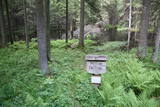 |
Ja apskatīta kodolraķešu bāze, tad var iziet 3,2 km garo Ploštines izziņas taku, kas sākas turpat netālu. Taka ved cauri dažādiem mežu tipiem, iepazīstinot ar sikspārņu būrīšiem (cilvēka radītas sikspārņu dzīves vietas), apkaimes augiem un putniem, kā arī aizsargājamu dabas pieminekli – Pileļu avotu (Pilelio šaltinis). |
|
 |
This trail's purpose lies on the fact that herbal therapy is the oldest known system of medicine. Being outside, in fresh air, in nature affects our health positively. While hiking with a phytotherapist you will get to know more about the nature's wild herbs that can help our livelihood and also do some light exercises. If you want, you not can only walk the trail but also relax in a sauna or/and visit a workshop. |
|
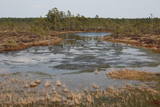 |
Iepazīstina ar Somā nacionālā parka lielākā purva – Kureso (Kuresoo) ziemeļaustrumu daļu, kur redzamas purva ezeriņu un lāmu ainavas. Takas sākumā atrodas igauņu komponista, ērģelnieka un folkloras vācēja Marta Sāra (Mart Saar) (1882. – 1963.) dzimtās mājas. To apkaimē pļavas apsaimnieko aitas. Lokveida takas garums ir 4,2 km. |
|
|
|
Ap 7 km garā apļveida taka sākas pie leģendārajām Mangaļu mājām. Tā iepazīstina ar latviešu strēlnieku kauju vietām, vietām, kur atradušās to fortifikācijas, t.s. „Vācu valni” u.c. liecībām. Mangaļu mājās – Ziemassvētku kaujām veltīts muzejs. |
|
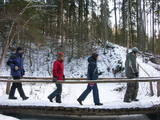 |
Lokveida takas sākums meklējams pie Krimuldas baznīcas - vecākās Latvijā. Tā vienā virzienā ved gar Runtiņupītes (Runtiņš) krastiem līdz ietekai Gaujā. Apskatāma Mācītājmāja, Kubeseles pilskalns, lībiešu virsaiša Kaupo piemiņas vieta, Kubeseles ala, Saulstaru iezis, Lielais akmens, seni enkurkluči, senkapi, savdabīgs labirints u.c.
|
|
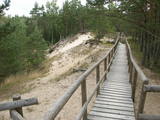 |
Taka izvijas augšup un lejup gar Pilsupes lejteces stāvajiem krastiem un atklāj skaistus skatus uz trīs balto smilšu atsegumiem (lielākais no tiem – t.s. Baltā kāpa, kas ir apmēram 20 metrus augsta un ir veidojusies pirms 6000 gadiem ). Apkaimes kāpu masīvs ir veidojies Litorīnas jūras periodā pirms vairākiem tūkstošiem gadu. Takas garums ir 900 m, un apskatei nepieciešamais laiks ir ~ 0,3 h. Tās apkārtnē ir atrastas akmens laikmeta apmetnes liecības. |
|
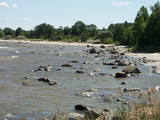 |
Kājāmgājējiem un putnu vērotājiem domāta taka, kas izveidota ļoti interesantā Rīgas līča krastā pie Kaltenes, kur vērojami mazi līcīši un zemesragi, akmeņaina vai aizaugusi piekraste. Takas galā atrodas putnu vērošanas tornis, jo pavasara un rudens migrāciju laikā Kaltenes apkārtnē novērojama liela zosveidīgo, tārtiņveidīgo u.c. putnu daudzveidība.
|
|
 | ||
|
|
Marķēto kājāmgājēju maršrutu (nepieciešams ceļvedis vai gids) sākums meklējams pie 1878. g. celtajām Jēču dzirnavām, pie kurām izveidots dendroloģisks parks un akmeņu kolekcija. Noskaidrosiet, kas ir drumlins, morēna, iepazīsiet dažādus purvu tipus, savdabīgos Pugu akmeņu krāvumus un Kraujiņu akmeni. Nepieciešami ūdensnecaurlaidīgi apavi!
|
|
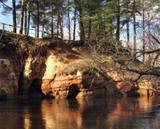 |
Taka ved gar Vaidavas krastu, kur iespējams veldzēties dabas skaistumā, kāds vērojams tikai šeit. Starp Apes vidusskolu un kapsētu Vaidavas upes kreisajā krastā ir izveidojušies 8 - 10 m augsti, līdz pat 100 m gari smilšakmens atsegumi - Raganu klintis. To lejasdaļā upes straume izskalojusi nelielas nišas. Pie klintīm pāri upei izveidots gajēju tiltiņš uz otru krastu, no kura klintis paveras visā savā krāšņumā. Te ir teikām un nostāstiem apvīti avoti un alas. Avots ar skaidru ūdeni iztek no vietas, kur Vaidavas upes smilšu klints krasts ir augsts un stāvs. Senāk vietējie ticējuši, ka tas ir veselības avots, jo daudzi to lietojuši dažādām acu slimībām.Dīvainos dabas objektus – Vilkaču priedi un Dvīņu priedes, Raganu slotu, “raganu apļus”, “raganu kaulus” u.c. te var apskatīt un vides gida vadībā mēģināt izprast to veidošanos
|
|
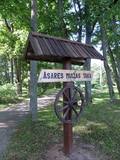 |
Asares muižas romantiskā stila dendroloģiskais ainavu parks veidots 18. gs. un papildināts 19. gs. 2. pusē. Muižas parka teritoriju ieskauj laukakmeņu mūris. Bet parkā sastopamas daudz interesantas krūmu un koku sugas: Sibīrijas baltegles, Eiropas lapegles, duglāzijas, šķeltlapainie baltalkšņi, Švedlera kļavas, košumkrūmi, dažādi lakstaugi. Liepu alejā - 2 dižkoki. Tempļa kalna atjaunotajā lapenē - muižnieku tējas dzeršanas vieta ar skatu uz pili. |
|
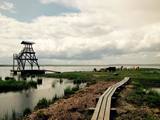 |
Engures apkaimē aug 22 no Latvijā sastopamajām 32 orhideju dzimtas sugām .Lai dabas parka apmeklētājiem dotu iespēju aplūkot šīs interesantās augu sugas, ierīkota Orhideju taka. Kopējais takas garums ir 3.5 km, tā sākas netālu no Engures Ornitoloģisko pētījumu centra, līkumo caur kalcifilajiem purviem un mežam putnu novērošanas torņa virzienā, un aizvijas tālāk gar atjaunoto ezera piekrastes pļavu, kurā mīt govis un zirgi. Takas sākumā novietotajā informācijas zīmē attēlotas ne tikai apkārtnē sastopamās orhidejas. Tur iespējams gūt daudzpusīgu informāciju arī par citām interesantām Engures ezera dabas parka augu sugām.
|
|
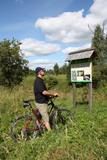 |
Taka veidota gar Gaujas labo krastu augšpus un lejpus Gaujienas un tā iepazīstina ar nogāžu mežu un dažādu pļavu biotopiem. Visā tās garumā izvietoti informatīvi stendi. Takas daļu lejpus Gaujienas var braukt ar velosipēdu.
|
|
|
|
Vikmesti dēvē arī par Foreļstrautu, jo tā ir nozīmīga foreļu un taimiņu nārsta vieta. Gaujas labā krasta pieteka ir izveidojusi dziļu gravu ar stāvām nogāzēm, kuras lejtecē izveidojušies nelieli – ap 4 m augsti smilšakmens atsegumi. Gravas labajā (rietumu pusē) paceļas ar mežu apaugušais Vikmestes pilskalns. Gar Vikmestes upi izveidota taka, kuras sākumdaļa atrodas pie Siguldas – Turaidas ceļa, bet beigu daļa – pie Raganas – Turaidas ceļa (ap 3 km). |
|
|
|
Labiekārtota (informācijas stendi, atpūtas vietas) un marķēta taka, kas ved apkārt Kokšu ezeru virknei, kurā ietilpst Zāļu, Dziļais un Dibena ezers. Iepazīstami mežu biotopi, dzīvnieki un to darbības pēdas. Iespējami trīs dažādi takas izziešanas varianti: 7 km, 4,5 km, 2,7 km. Maršrutu var braukt ar divriteni. Ietilpst Ziemeļvidzemes biosfēras rezervātā. |
|
|
|
Laipu taka Planču purvā. Garums 0,5km, laiks aptuveni 0,3 h. Viens no retajiem Latvijas brīvdabas objektiem, kur informācija ir izvietota Braila rakstā. Atrodas Ziemeļvidzemes biosfēras rezervātā. |
|
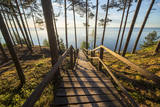 |
Taka iepazīstina ar vienu no retajiem Rīgas jūras līča stāvkrastiem - Ēvažu stāvkrastu (līdz 15 m augsts, no skatu platformas paveras viens no skaistākajiem līča skatiem) un piekrastes mežiem. Pa kāpnēm var nokāpt līdz neparastajai pludmalei, kur redzams šaurs smilšains liedags ar gandrīz ūdenī augošiem melnalkšņiem. Takas garums ir 0,3 km (vienā virzienā), iziešanai nepieciešamais laiks ~ 0,3 h. Sākot no Rīgas šosejas, līdz stāvkrastam taka iet cauri ES nozīmes biotopam "Mežainas piejūras kāpas", kas ir bieži sastopams tiešā jūras piekrastē. Atrodas Slīteres nacionālajā parkā. |
|
 |
Takas sākums atrodas pie Veclaicenes pagasta pārvaldes (autosvālaukums). Tā izlokas gar Ievas, Trumulīša un Raipala ezeru dienvidu krastiem un pa ziemeļu krastu nogāzēm atgriežas atpakaļ sākumpunktā. Apļveida takas garums – ap 8 km. Atrodas Augšzemes aizsargājamo ainavu apvidū, Kornetu – Peļļu subglaciālajā vagā. |
|
