
| Nr | Nosaukums | Apraksts |
|---|---|---|
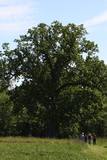 |
Koks aug nogāzē, kur atsedzas neparasti milzīgs sakņu kakls.
|
|
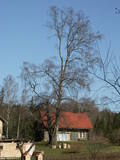 |
Resnākais Latvijas āra bērzs (Betula pendula). Saskatāms no Klapkalnciema – Milzkalnes ceļa.
|
|
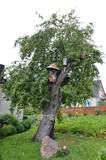 |
Senākā Lietuvas ābele – augļkoks, kas ir botāniskais mantojuma objekts. Koka šķirne – mežābele. Tā ir vienīgā apsargājamā ābele Lietuvā. |
|
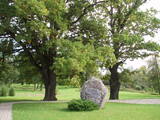 |
Vācu mācītājs Ernsts Gliks, dzīvodams Alūksnē, paveicis vienu no sava mūža nozīmīgākajiem darbiem – latviešu valodā iztulkojis Bībeli. 1685. gadā viņš pabeidzis Jaunās Derības, bet 1689. gadā - Vecās Derības tulkojumu. Par piemiņu paveiktajam darbam joprojām zaļo mācītāja stādītie ozoli. Glika ozoli atrodas Pils ielā 15A. (Avots: Alūksnes TIC) |
|
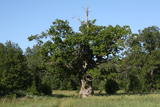 |
Koks atrodas nekopta lauka vidū. Neskatoties uz daudziem nokaltušajiem zariem un apkārtni – ainavisks un labi redzams no ceļa puses. Trešais resnākais Baltijas koks.
|
|
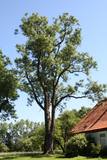 |
Ļoti ainavisks un izteiksmīgs dižkoks, kas aug bijušās Vīcežu pusmuižas zemēs.
|
|
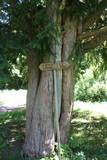 |
Resnākā un lielākā Latvijas parastā īve (Taxus baccata). Aug Zentenes muižas parkā iepretim muižas pilij (tagad - skola).
|
|
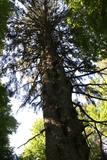 |
Resnākā un varenākā Latvijas parastā egle (Picea abies). Neparasts ir tās monolītais un nelieliem dobumiem izrobotais stumbrs. Egle meklējama aizaugušajā Īves muižas parkā, aiz muižas pils drupām.
|
|
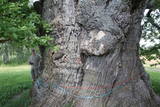 |
Saglabājusies tikai neliela daļa no varenajiem zariem, no kuriem resnākie ir atbalstīti ar stutēm, bet ozola dobo vidu no lietus un sniega ūdeņiem aizsargā jumtiņš. Latvijas un Baltijas resnākais parastais ozols (Quercus robur) un resnākais Baltijas koks. Viens no Ziemeļeiropas resnākajiem ozoliem. Ainavisks. Netālu no ozola atrodas autostāvlaukums, informācijas stends.
|
|
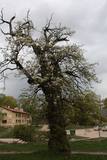 |
Resnākā Latvijas meža bumbiere (Pyrus pyraster). Koku vērts apmeklēt tā ziedēšanas laikā – tad vērojams īpašs skats!
|
|
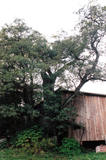 |
Izcils un izteiksmīgs dižkoks. Resnākais Latvijas melnalksnis (Alnus glutinosa).
|
|
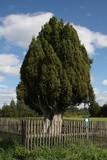 |
Resnākais Latvijas un Baltijas valstu kadiķis (Juniperus communis). Aug lauka vidū, ļoti ainavisks. Koku sauc arī par Rietekļa kadiķi, jo zem tā labprāt sēdējis latviešu dzejnieks Rieteklis (Jūlijs Eduards Balodis (1856. – 1940.)).
|
|
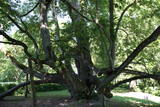 |
Latvijas lielākā parastā liepa (Tilia cordata). Daļa no varenajiem žuburiem ir atbalstīti. Stumbrā lieli dobumi, kas aizklāti, lai novērstu ūdens iekļūšanu un ātrāku trupēšanas procesu. Tāpat kā daudzi citi šāda izmēra koki – sena svētvieta.
|
|
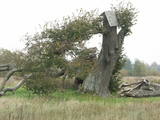 |
Vēl pirms 2005. gada orkāna „Ervīns” – viena no lielākajām un izcilākajām Latvijas liepām. Tagad zaļo vairs tikai viens koka zars.
|
|
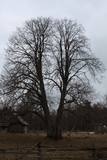 |
Iespaidīga izmēra divstumbru liepa pie Nigliņu mājām. Viens no iespaidīgākajiem Lībiešu krasta dižkokiem. Lībiešu valodas skolotājas Zojas Sīles dzimtās mājas. Turpat pie mājām atrodas viduslaiku kapsēta – Veckapu kalns. |
|
 |
Kopš dižākā – Kalnasikšņu ozola bojāejas Kvēpenes dižozols ir kļuvis par varenāko Gaujas nacionālā parka koku. Tā apkārtmērs ir 6,1 m, augstums 20 m, bet koka vainaga projekcija 28 x 30 m. Ainaviskais ozols aug Gaujas senlejas labā pamatkrasta nogāzē un ir viens no kuplākajiem Latvijas kokiem. Netālu no dižozola uzmeklējams ar mežu apaugušais Kvēpenes pilskalns, bet lejpus tā – Gaujas pamatkrasta nogāzē iztek Svētavots, kam piedēvē dziednieciskas īpašības. Ziemeļos no Kvēpenes pilskalna ir pakalns – t.s. Rūsiņa kalns, no kura labi saskatāmi Pārgaujas meži, Cēsu pilsētas torņi, Ieriķi un Rakšupes ieteka Gaujā. No soliņa Rūsiņa kalna galā var gaidīt lieliskus saullēktu skatus. |
|
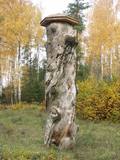 |
Priede bija sasniegusi 4,63 m apkārtmēru un līdz 1951. gadam (nokalta) bija resnākā Baltijas priede.
Viens no retajiem tik veciem kokiem, kuram ir tik precīzi (izskaitot gadskārtas) noteikts vecums - 370 gadi! Tagad par kādreizējo dižkoku liecina vairs tikai piemiņai atstāta un iekonservēta stumbra daļa ceļa malā. Priedes stumbra šķērsgriezuma ripa apskatāma Latvijas Dabas muzejā un Latvijas Etnogrāfiskajā brīvdabas muzejā.
|
|
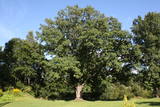 |
Tiek uzskatīts par Latvijas, iespējams, - Baltijas kuplāko ozolu. Vainaga izmēri ir 33 x 31 m.
|
|
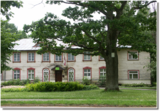 |
Vietējas nozīmes aizsargājams dižkoks
Tukuma ielas malā iepretim Jūrmalas pirmsskolas
izglītības iestādei „Pienenīte”.
|
|
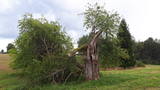 |
Ciemgaļu mežābele (Malus sylvestris) ieguvusi savu nosaukumu no tuvējām mājām un aug Kuldīgas novada Turlavas pagastā. Tā atklāta 1986. gadā, bet tās mūžs mērāms vairāk nekā 300 gadu. Savulaik bijusi Latvijā dižākā mežābele, šobrīd ar savu apkārtmēru 3,67 metri ierindojas ceturtajā vietā. Ciemgaļu mežābele ir iesaukta par brīnumkoku, jo nolūzušais zars spējis iesakņoties. 2011.gadā no mežābeles izdevies dabūt potzaru, tas uzpotēts un iestādīts līdzās sirmajai ābelei. |
|
