
| Нo | Название | Описание |
|---|---|---|
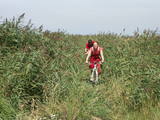 |
Lake Liepāja is shallow and eutrophic (around 40%), and it is one of the most important lakes on the shores of the Baltic Sea for nesting and migrating birds (resting and feeding place). More than 100 different species of birds have been spotted there. The lake is no less important for plants which flourish in salty biotopes. On the north-eastern shore of Lake Liepāja (Vītiņu meadow) there are flood-land plains which are the home to domestic animals which have been adapted to life in the wild. There is also a viewing tower, available upon request with the guide. The system of dams along the south-western part of the lake can be hiked or biked (extreme!) to find lots of interesting viewing areas and landscapes. In the surrounding of the lake there are ruins of unique former fortification systems. |
|
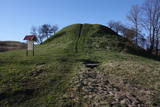 |
Arī Senču pilskalns, Baznīckalns un Velna gulta. Pirmo reizi minēts 1230. gadā kā viens no senās kuršu zemes Vanemas centriem. Ar šo objektu var sākt Abavas senlejas skaistāko skatu apzināšanu. Līdz pilskalna plakumam ved kāpnes, un no tā redzami senlejas vārti un upes ielejas kreisā krasta nogāze, kuras piekājē izvietojusies Jaunkandava.
|
|
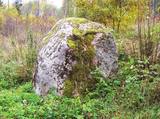 |
Убаговский чертов камень. Это культовое место находится в
южной стороне хутора Убаговас, у дороги (130 м на север, северо-
западнее от сельского кладбища). Местное население рассказывает,
что здесь появляется привидение, если человек идет один, и
заманивает его в лес. Высота камня 1,6 м, поверхность гладкая.
|
|
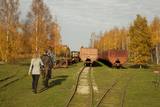 |
Sedas purva kājnieku maršruts atrodas dabas liegumā Sedas purvs, pārgājienu pa maršrutu iespējams apvienot ar Sedas pilsētas apskati, kas ir unikāls 20.gs. 50.–60. gadu pilsētbūvniecības un arhitektūras paraugs - kūdras purva strādnieku pilsēta. Maršrutam ir divi apļi - Jērcēnu aplis - 5,5 km un Sedas aplis - 4,2 km. Tajos apakatāms izstrādātais kūdras purvs, šaursliežu dzelzceļš, ritošais sastāvs, divi skatu toņi. Rudenī un pavasarī - putnu migrācijas lāikā - interesanta vieta putnu vērošanai. GPS koordinātes: Jērcēnu puses aplim: 57.7055987, 25.7001324; Sedas puses aplim: 57.6699587, 25.7514815. |
|
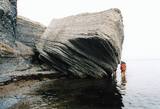 |
There are two islands here – Suur Pakri (Great Pakri) and Väike Pakri (Small Pakri). They are 3 km to the West of Paldiski. During Soviet times, the islands were used for target practice by the Soviet air force, which is seen in the many craters and spent munitions that can be found on the island even today. The island is mostly covered with scrappy areas of juniper, but the limestone cliffs at the northern and north-eastern end of the island are quite impressive – as much as 6 m in height.
|
|
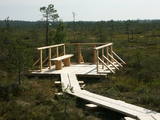 |
At the end of a wooden footpath in the Planči swamp is a viewing area and place for leisure. This is the place where you can enjoy landscapes of the high-type swamp and breathe the unusual air of the swamp. This is the only outdoor infrastructure object in Latvia with information posted in Braille. It is in the ZBR.
|
|
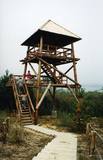 |
Salīdzinoši liela un cilvēka mazskarta teritorija ziemeļos no Lubāna ezera, kas izceļas ar lielu purvu un mitro mežu, kā arī tajā dzīvojošo organismu daudzveidību. Cauri teritorijas austrumu daļai tek Aiviekste. Dabas liegums ir grūti pieejams, tajā nav izveidota ar tūrismu saistīta infrastruktūra, tādēl vislabākais veids ir to aplūkot no Lubānas - Gaigalavas ceļa, kā arī putnu vērošanas torņa pie Gomeļa ezera (Gūmelis), kurš gan 2007. g. rudenī bija cietis no apmeklētāju vandālisma. Teritorija ietilpst Lubāna mitrāja kompleksā.
|
|
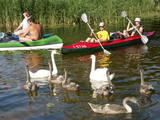 |
This was the first national park in Lithuania, and it is in the northern part of the Aukštaitija Higland, where hillocks interweave with lots of little lakes and ethnographic villages. Many of the lakes are connected with streams, forming long chains of lakes that are perfect for water tourists.
|
|
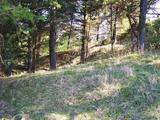 |
Гора Мицану-Киркас. Маленький замок в Приежукалне в
1792 году был преобразован в лютеранскую церковь. До сих пор
гору называют „Кирха” (нем. Kirche – церковь). Пожилые люди
говорят, что под церковью был построен большой подвал, в котором хранились драгоценности семьи
Мантейфелей и церкви, в подвале находится семейный склеп Мантейфелей.
|
|
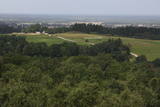 |
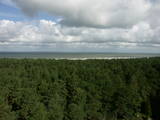
The wooden tower was built and stands 28 metres high. It is at the top of the highest hillock of the Northern Courlandian Highlands – Kamparkalns Hill (175 metres above sea level). The tower offers one of the loveliest views in the region of the hillocks of Talsi. On a clear day, you can see all the way to the Bay of Rīga and Talsi. |
|
 |
A diverse stand of forest that is bisected by the Vidzeme highway and the Rīga-Lugaži railroad line. This is a place where the largest endangered bird in the world – the European roller – can be found. Between one-quarter and one-fifth of the Latvian population of the crow is found here. This, too, is one of the last nesting places for the green woodpecker.
|
|
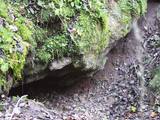 |
Городище Опинки – имеющее особое значение населенное
место древних латгальцев. На правом берегу реки Вицес обра-
зовалась Чертова пещера, называемая и малым Стабурагом Лат-
галии. Небольшая пещера (длина 3 м, ширина 2 м, высота 0,6 м) геологически уникальна тем, что она
образовалась естественным путем в четвертичный период, сцементировавшись из ссохшегося гравия.
Таких пещер в Латвии только две.
|
|
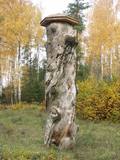 |
In 1951, when it died, the pine tree had a circumference of 4.63 metres. It was the thickest pine tree in the Baltic States
This is one of the few trees with such a long history for which age has been determined by counting up circles – 370 years. All that’s left is a conserved part of the stump at the side of the road. Cross-sections of the stump are on exhibit at the Latvian Museum of Nature and the Latvian Ethnographic Open-Air Museum.
|
|
|
|
Near the Priedīši homestead, there is a nature trail which allows visitors to study Lake Dziļezers and the surroundings. There are various lakes in this region which are found in a depression left behind by the Ice Age – Lake Dziļezers, Lake Riebezers, Lake Mazezers, Lake Auziņš, Lake Skuja and Lake Bruņķītis are all there. Along their shores, there are various kinds of forests, including ones with broadleaf trees that are under environmental protection. The trail is 3km in length and will take an hour or so to traverse. This is a part of the environmentally restricted territory of Lake Dziļezers and Lake Riebezers.
|
|
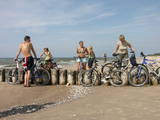 |
The most important aspects of this park are a shallow lagoon-type lake – Lake Pape, with its flood land meadows, the shore of the Baltic Sea, the Nida swamp, and the more than 270 different types of birds that have been spotted here. The oldest bird ringing station in Latvia (est. 1966) is found between Lake Pape and the Baltic Sea. Birds and bats are caught and ringed there. Lake Pape is the first place in Latvia where so-called “wild” horses (the “Konik” breed) were released with the aim of managing the flood land meadows.
|
|
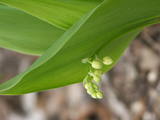 |
This is an uncommon trail. The visitor will learn all about quite “ordinary” trees such as the oak, the linden, the hazelnut, the fir and the pine. The information is quite interesting, however, making use of the heritage of Latvian folklore. The site is located near the Zvārte rock. Visitors will spend around one hour on the trail.
|
|
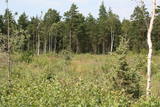 |
Similar as Alsungas mezi (Alsunga forests) – is not intended and appropriate for visits. A narrow path of the restricted area can be seen from the gravel road – Saka-Apriki. Nature restricted area established mainly for protection of Erica tetralix (often called "cross-leaved heath") and it is one of the most important growing places.
|
|
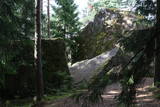 |
Die Größe dieses Feldsteins ist eindrucksvoll, obwohl er nach dem Volumen (262 m3) nur der 16. größte Feldstein Estlands ist. Die Länge beträgt 10,7 m, Breite – 6,5 m, Umfang – 27,8 m. |
|
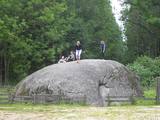 |
This territory was established to protect various kinds of rare butterflies A popular tourist destination in the Nīcgaļi forests is the great rock of Nīcgale, which is the largest rock in Latvia – a geological and geo-morphological monument of nature. The rock has a circumference of 31.1 metres, and it is 3.5 metres high, 10.5 metres long and 10.4 metres wide for a total size of 170 m3. |
|
 |
38-метровая башня стены Овишского маяка (сигнальный фонарь расположен на высоте 33 метров) построена в 1814 году и без особых изменений функционирует до сегодняшнего дня. Это самый старый действующий маяк Латвии, в котором размещена экспозиция, посвященная Латвийским маякам. |
|


