
| No | Name | Description |
|---|---|---|
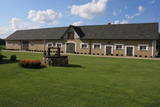 |
The birthplace of Latvia’s first prime minister and, later, president, Kārlis Ulmanis (1877-1942) was turned into a museum in 1993. The homestead has undergone unbelievable transformation during the past two decades. The landscape has been cleaned up, and buildings that were lost or were in poor shape have been rebuilt. There are a house, an ancillary building, a cattle shed and barn and a granary. The exhibition focuses on the life of Ulmanis, featuring an impressive collection of agricultural equipment and instruments, including Latvia’s largest wooden butter churn. |
|
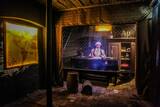 |
The tour at the “living Museum” is like a walk through history. Here, accompanied by a guide, it is possible to learn in interactive form about events during various periods in Kuldiga – about prison sentences, about Duke Jacob's ships, trade plans, about the glory and misery of Kuldiga. With the help of holograms, sound effects and other interactive elements, there is an opportunity to travel back in time and survive the sides of the history page full of joy, fear, horror and success. |
|
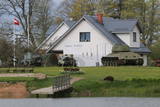 |
The Museum is situated in the place, where during the times of World War II the battles between the soldiers of Latvian and Soviet armies took place.The main subject of the museum is the history of Latvians during World War II and the battle of More. On the second floor of the museum the guide will tell you about the history of crafts and will show you the exhibition of household objects. Every year there are new exhibitions of the local craftsmen’s products . The visitors can buy souvenirs, jewellery and other crafts and goods. |
|
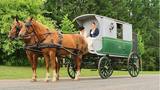 |
An age-old twisting postal road between Tartu and Võru takes travellers to Varbuse postal station dating from 1863. The Estonian Road Museum is housed in this well-preserved complex of a postal station which creates a wonderful setting for displaying the history of travelling and roads, traffic regulation and machinery. Cross-sections of road pavements disclose the secrets of road building. An outdoor display shows stretches of historic roads from Estonia and former Livonia creating an authentic ambience of the past. |
|
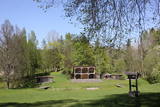 |
The location requires a drive through the Pērlis forest and sparsely populated areas. Silmači features an open-air stage, which was built in the 1980s for just one performance that was staged by the Latvian National Theatre during the Summer Solstice celebration in 1986. Ever since then, Rūdolfs Blaumanis’ famous play “Tailor Days at Silmači” has been performed here during the season. Alongside the stage is a museum that features information about the single performance in 1986. An original manuscript of the play (1902) can also be viewed. |
|
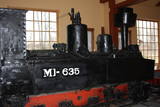 |
In 1916, during the German military occupation of Latvia, prisoners of war were put to work in installing narrow-gauge railroads via which the Germans exported Latvian timber. A narrow-gauge rail network was built through the forests and across the swamps of the Viesīte area. The track width was round 600 mm, and there was a total of 130 km of tracks to connect Viesīte (the central station) to Nereta, Aknīste, Jēkabpils and Daudzeva. The train was used after world War II to transport timber and passengers. The last trip along the line occurred on August 31, 1972.
You can tour the museum individually or with the assistance of a guide. You’ll see an Mi-635 locomotive, wagons for passengers and cargo, a platform to transport timber materials, and two trolleys.
|
|
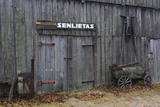 |
Atrodas Jūrmalciema austrumdaļā. Koka šķūnī sakrāti vietējo entuziastu savāktie Jūrmalciema iedzīvotāju sadzīves priekšmeti un amata rīki. Novadpētnieki te var uzzināt vērtīgu informāciju par ciema vēsturi un zvejnieku dzīvesveidu. |
|
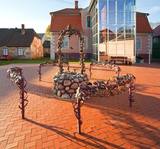 |
Befindet sich im alten Rathaus. Das größte Silberkunstwerk Baltikums (wiegt mehr als 30 kg) und andere dekorative Gegenstände sind zu sehen. Auf der Dachkammer ist die einmalige Malerei im Stil des Spätrokoko zu sehen. |
|
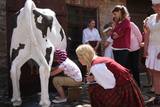 |
The granary and cheese-making building of the former Seiksāte (Berghof) Estate houses a museum that was opened in 1985 and demonstrates the route of milk from the cow to finished dairy products. You can try your hand at milking a cow and churning butter, and then you can taste what you have made. |
|
 |
Traditionelle Spielzeuge von verschiedenen historischen Perioden und Völkern. |
|
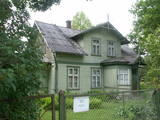 |
The Miervaldis Ķemers Museum (Durbes
street 21) is dedicated to a well known cultural
worker in Latvia (19021980) who was also a
clergyman and a painter.
|
|
|
|
In Otepää wurde am 4. Juni 1884 die estnische Fahne geweiht. Im Pastorat ist ein Zimmer der estnischen Fahne eingerichtet. |
|
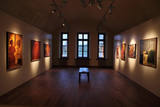 |
The Daugavpils Mark Rothko Art Centre is a multi-functional institution of culture, arts and education, located inside of the fortress' Arsenal building. It is a unique place in the Eastern Europe, where are located the original paintings of Mark Rothko – a great artist of the XX cent., a founder of the abstract expressionism movement, best known for his enigmatic color field paintings. |
|
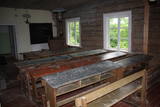 |
The Old School of Druviena is alongside the Druviena-Liezēre road. The historical school building became home to a museum in 1964. The school is closely linked to the great Latvian writer Jānis Poruks (1871-1911), and a memorial room to him has been installed in the building. On the second floor, you can look at a classroom, sit on an old-time school bench and try to imagine yourself as a schoolchild long ago. Interesting exhibits include boxes in which children brought food from home – the same ones which were used by two of Poruks’ most popular characters, Cibiņš and Buņģis. |
|
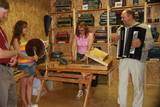 |
Here you will find a vast collection of antique instruments. You’ll learn about their history and about how they were manufactured. You can play music or commission or purchase homemade instruments. If you contact the venue in advance, the Igaunis family will organise a concert performance for you. |
|
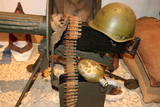 |
Found at Daugavpils Street 40 in Aglona, this is one of the largest private collections of military exhibits related to World War II in
|
|
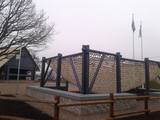 |
Meklējama Tārgales ciema centrā. 2018. g. nogalē atklāta Lībiešu zvejnieku sēta ar dzīvojamo māju, kurā ir saimes galds un soli, kūti, tīklu žāvētavu un mākslīgi radīts kāpas fragments. Sēta veidota kā atklāta tipa objekts un to var apmeklēt jebkurā laikā. Apkaimē saglabātas vietējās koku sugas. |
|
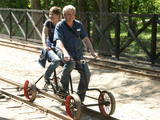 |
The museum was established in 1954 and features the traditions of Latvian and Livonian fishermen, sailors and farmers and their lives and residences. There are fishermen’s homesteads with net huts, smokehouses, granaries, etc. There is a collection of fishing boats and the largest assemblage of anchors in the Baltic States (more than 100 anchors, the heaviest one weighing 22 tonnes). The windmill was transported from the Užava Parish. The 19th century Smiltnieki home features authentic household objects. The newest thing at the museum is the Lielirbe Baptist Prayer House, which is nearly 100 years old. A narrow-gauge railroad runs down the 1.3 km Mountain line from May 1 to October 31 every year, and at its end is its turntable. The building of the museum was designed on the basis of the Mazirbe train station. The museum is in the Jūrmala park, with playgrounds for children and the Anchor trail. |
|
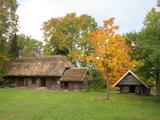 |
This farm is where the Latvian author Rūdolfs Blaumanis (1863-1908), founder of modern dramaturgy in Latvia, lived and worked. The farm has been restored, and it is a typical leased farm in Vidzeme with eight wooden buildings. Educational events and tours are available, featuring family celebrations, the mischief of little imps, and farm work. You can taste Latvian porridge, pancakes, tea, and wine “from the sweet bottle.” |
|
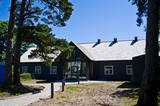 |
Livonian Community House at Kolka was opened in 2019. It is a place where you can get to know the Livonian culture of Northern Kurzeme, learn about traditional activities, listen to the sound of the language, and get an idea of the cultural and historical heritage of the coast. In House you can organize and attend cultural events, seminars, trainings, exhibitions, and also receive tourism information. |
|
