
| No | Name | Description |
|---|---|---|
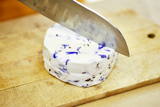 |
This farm keeps Thuringian breed goats and makes goat's milk cheese, as well as a various snacks. In addition, herbs and medicinal plants used for teas and natural cosmetics are also grown here. |
|
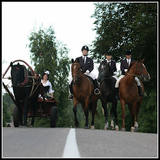 |
Kalnbundas offer possibilities for active rest – horse-back riding and horse riding. |
|
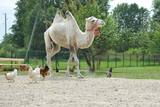 |
A park of exotic animals in Dundaga features alpacas, llamas, ostriches, a camel, a blue cow, etc. |
|
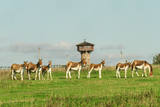 |
Te plašos aplokos mīt 38 sugu savvaļas dzīvnieki (kiangi, lāči, lūši, vilki, meža cūkas, aļņi, vāveres, plēsīgie putni) un visdažādāko šķirņu mājdzīvnieki – Latvijas zilās, Hailandes un Galovejas govis, Romanovas aitas, Vjetnamas cūkas, pīles, zosis, tītari u.c. Acīgākie dīķos pamanīs retās Eiropas kokvardes. Kalvenes pagasta „Cīruļi” – tā ir lieliska, nesteidzīga atpūta lauku vidē, iepazīstot dzīvo dabu! Darba laiks no novembra līdz martam: katru dienu no 10:00 – 16:00 |
|
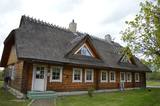 |
Tihuse farm on Muhu Island is engaged in horse breeding; this place also offers authentic food and a special menu for people with various food intolerances. It is very popular to take a horse ride, followed by a picnic. Lentil cakes are our special treat. |
|
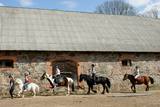 |
Sēlijā, Zasas muižas parkā, atrodas “Bērzzemnieki”, kur saimnieko Kalnāju ģimene. Atjaunojuši vēsturisko māju un ieveduši staļļos zirgus, ģimene sniedz viesiem iespēju iepazīt zirgus, piedalīties dažādos ikdienas darbos un doties izjādēs, kā arī nakšņot “muižiņā”. |
|
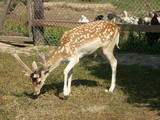 |
The owner will give you a tour during which you will see African ostriches, fallow dear, the Soay breed of sheep, exotic birds and fowl. You can establish contacts with the animals and purchase souvenirs. |
|
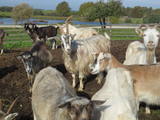 |
The pride of the farm is a herd of approximately 100 goats, and the owner produces milk, cheese, cottage cheese and yogurt from goat milk. You can go on a tour, visit the animals, and taste and purchase biologically produced and healthy products. You can go fishing in the nearby pond and then grill your catch. |
|
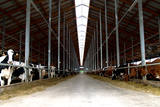 |
AS Agrofirma Tērvete is the largest multi-sector farming company in Latvia, operating in crop farming, dairy farming, horse breeding, public dining, biogas manufacturing and brewing of beer. Visitors can tour a brewery and the farm. The brewery produces popular Tērvete beer and kvass. Visitors can taste the products and take a small tour of the facilities. All of the types of beer can be tasted with delicious snacks. The Tērces farm is a dairy farm with modern technologies and 3,000 dairy cows. Visitors can tour the facility and have lunch at the company’s dining hall. |
|
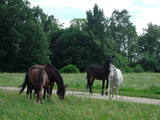 |
It is possible to look at different animals at the farm – horses, goats, rabbits, dogs, cats and marmots. It is possible to participate in farming tasks and try out farm instruments, to learn the steps of ancient dances, to walk along the animal paths and to taste pancakes baked on the open fire with goat cheese. You can also buy sauna accessories or herbal teas. |
|
 |
It is possible to look at African ostriches of different ages; to listen to stories about or of ostriches. It is possible to buy crafts made of ostrich feathers, skin and grease, fresh ostrich eggs. |
|
 |
„Mieriņi” ir īsta liela lauku saimniecība pļavu meža vidū, kas atrodas pie Latvijas robežas. Tīrajos Latgales laukos tiek audzēti bioloģiski dārzeņi un lopi. Saimnieki dzīvo saskaņā ar dabu un aicina ikvienu savu viesi izjust un izbaudīt apkārtnes skaistumu ar visām maņām: gan garšojot, gan elpojot, gan taustot un klausoties. Visas maņas apvienojot, izdodas dzīvot pa īstam. Miera pilna Latgales ainava ieskauj bioloģisko saimniecību „Mieriņi”. Šī vieta dāvās atpūtu ar jauno lapu žilbinošo zaļumu un skurbinošajām putnu dziesmām pavasarī, ar plašo debess jumu, kas atspoguļojas ūdeņos, un košajām dabas krāsām vasarā, ar dzelteno lapu paklāju rudenī un ziemā – ar silto sniega segu uz karstās pirtiņas jumta. Papildu bioloģiskās gaļas produktiem saimniecība piedāvā arī latviešu gadskārtu svinības, nodarbības dabā, pirts pakalpojumus un telšu vietas. |
|
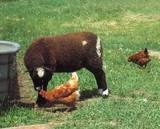 |
The farmyard offers to see the domestic animals, birds and exotic maras as well as horse-back riding on a pony. You can get a consultation about gardening and breeding small animals. It is possible to buy quail eggs, smoked meats, chicken and birdlings. |
|
 |
The “Lamb Club” is a farm in Mazsalaca, and it is special because the sheep live in a real club! The owners offer the atmosphere of a farm at which the sheep play major roles. Enjoy mutton and sheep milk foods and beverages, feel how comfortable it is to read your favourite while sitting on a fluffy sheepskin, and, in order not to get cold by the campfire in the evening, you can purchase warm woollen socks and woven woollen cloaks. The owners hope that people from Latvia and all around the world will spend more time at the farm, because accommodations involve a new glamping tent that is as close as possible to nature and the healthy rural environment. Don’t lose a lick of the comfort that you are used to in your everyday life! The owners, Ilze and Valters, will be happy to give you a tour during which they talk about herding sheep. If you contact them in advance, they will prepare a tasty mutton meal for you. The tour can also be supplemented with various activities such as games, quizzes and creative workshops at which sheep wool is utilised. |
|
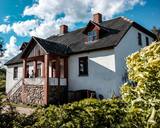 |
Guest house "Ausmas" is located in Valka region, and can accommodate up to 30 people. Catering services are also available both on site and off-site. Guests have access to a wet sauna, as well as a sauna ritual with a skilled bather. The guest house organizes various events, as well as tours and groups of children. There is also an animal farm on the farm, where children can feed and love a variety of animals. The owners actively cooperate with the neighboring farms. The owners of the guest house are home-grown producers who offer guests a variety of smoked meats, cheeses and homemade bread. Master classes are offered in both cheese tying and bread baking. It is possible to visit and organize tastings both with home-made products and with the offer of the surrounding farms. |
|
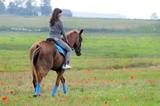 |
Schoolchildren up to the 6th grade are offered tours during which they can learn about animals, feed them and pet them. Older students will learn about the evolution and biology of horses, as well as about work with horses. Easy hikes are offered to tourists. |
|
 |
Rukši ir bioloģiskā saimniecība, kura audzē HEREFORD šķirnes liellopus, bariņu blējošas aitas ,vistas. Ar ambiciozu skatienu nakotnē par iespējām nodrošināt ar kvalitatīvu liellopu gaļu visus izsalkušos. |
|
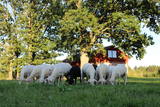 |
Saimniecībā tiek audzētas gaļas šķirnes (Suffolkas) aitas un piena šķirnes (Ostfrīzijas) aitas. Ganāpmulka aizsardzībai saimniecībā strādā ar sargsuņiem, Pireneju kalnu suņiem, kas ir pasaulē arī plaši pazīstama suņu šķirne mājlopu un mājputnu apsargāšanai no lielākiem un mazākiem plēsējiem. Saimnieki piedāvā iegādāties premium klases, saimniecībā audzētu, jēru gaļu un aitu piena produktus- Fetas tipa sieru, grilsieru, jogurtu bez piedevām un vairāku veidu saldējumus. |
|
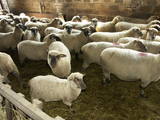 |
The farm breeds more than 150 sheep. There is a location to feed lambs, and the owners organise animal auctions and “Sheep Days” events. You can take a tour of the farm and purchase pedigreed sheep and sheep-related products. |
|
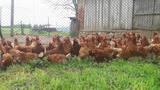 |
Zemnieku saimniecības "Imantas" galvenais darbības virziens ir olu ražošana. Te iespējams apskatīt lauku saimniecībā dzīvojošos dzīvniekus un dažādu šķirņu vistas, uzzinot kaut ko jaunu vai sen piemirstu par vistām un olām. Piedāvā arī iegādāties lauku olas. |
|

